Accurate wind measurements are crucial across industries like meteorological monitoring, agriculture, and wind energy. The right wind sensor can impact your project's efficiency, safety, and data precision. In this article, we will guide you through selecting the perfect wind sensor based on your specific needs and environment.
Understanding Wind Sensors
What Are Wind Sensors?
Wind sensors, also known as anemometers, are instruments used to measure the speed and direction of wind. These sensors are crucial for various applications, including weather stations, agricultural monitoring, and wind energy assessments.
Common Types of Wind Sensors:
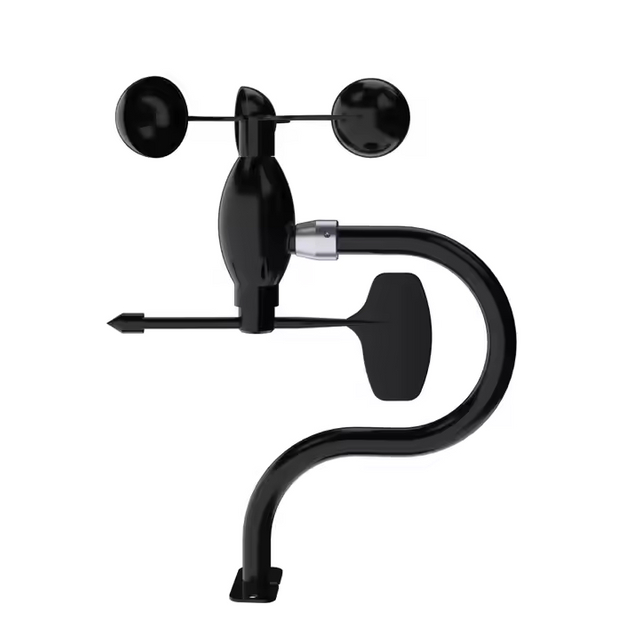
Cup Anemometer: Measures wind speed by the rotation of cups.
Vane Anemometer: Uses a rotating vane to measure both wind speed and direction.
Ultrasonic Wind Sensor: Uses sound waves to detect wind speed, providing high accuracy without moving parts.
Hot-Wire Anemometer: Measures airflow by detecting the cooling effect on a heated wire.
Each sensor type has its pros and cons, making it important to understand which is best suited to your application.
Why Accurate Wind Measurement is Crucial
Accurate wind data is essential for optimizing performance in industries like agriculture, meteorology, and renewable energy. For example, in meteorological monitoring, precise wind speed and direction help predict weather patterns, while in agriculture, it ensures efficient irrigation and crop protection. In wind energy, accurate wind data determines the feasibility of turbine installations and maximizes energy production.
Applications of Wind Sensors
Wind sensors are used in a wide variety of applications, including:
Weather Stations: To measure local wind conditions and provide data for forecasts.
Agricultural Monitoring: To assist in irrigation systems and protect crops from wind damage.
Wind Energy: To assess the wind potential for energy production.
Drones and Robotics: For wind measurement and navigation in various environments.

Types of Wind Sensors and Their Applications
Cup Anemometers
Working Principle: Cup anemometers use a set of cups mounted on a horizontal axis. As wind blows, the cups rotate, and the speed of rotation is directly proportional to wind speed.
Best For: General wind speed measurement.
Pros: Simple, cost-effective, and widely used.
Cons: Accuracy can decrease in harsh weather conditions.
Vane Anemometers
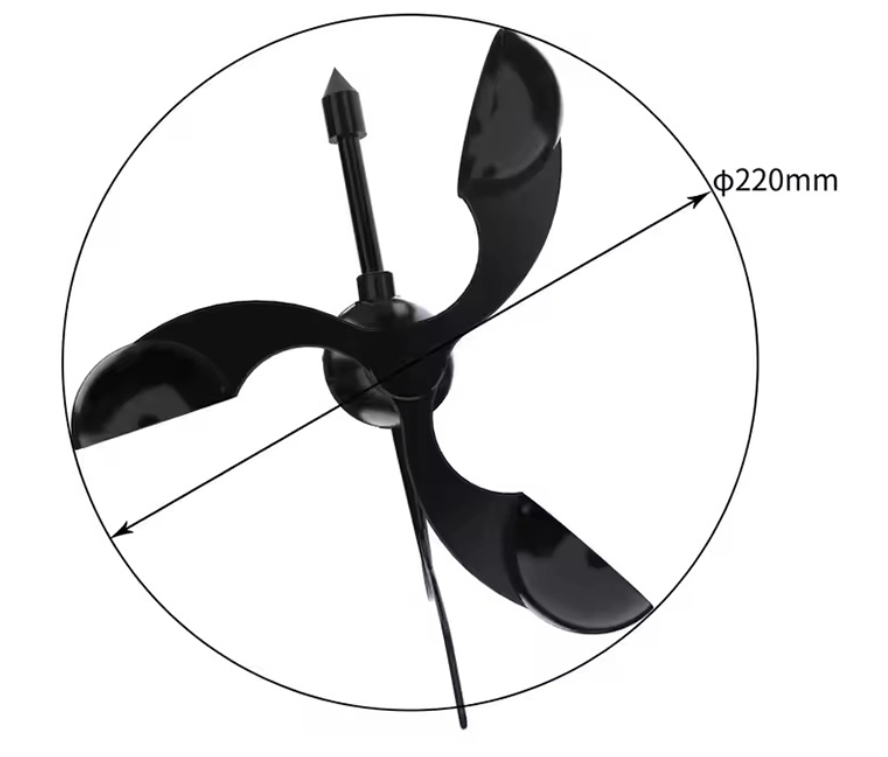
Working Principle: Vane anemometers use a propeller and a vane to measure wind direction and speed. The vane aligns with the wind direction, and the propeller’s speed correlates to wind speed.
Best For: Wind speed and direction measurement.
Pros: Provides both wind speed and direction.
Cons: Less accurate in low winds, requires maintenance due to moving parts.
Ultrasonic Wind Sensors
Working Principle: Ultrasonic sensors use sound waves to measure wind speed. By measuring the time it takes for the sound waves to travel between transducers, the sensor calculates wind speed and direction.
Best For: Long-term outdoor use in harsh environments.
Pros: High accuracy, no moving parts, minimal maintenance.
Cons: More expensive, complex installation.
Hot-Wire Anemometers
Working Principle: Hot-wire anemometers detect wind speed based on the cooling effect on a heated wire. The wind passing over the wire cools it, and the rate of cooling correlates with wind speed.
Best For: Laboratory settings and low-speed airflow.
Pros: Extremely accurate at low wind speeds.
Cons: Not suitable for high wind speeds, sensitive to environmental conditions.
Key Factors to Consider When Choosing a Wind Sensor
Accuracy Requirements
Wind sensor accuracy depends on your application's precision needs. For example:
Meteorological Monitoring: High precision is needed for forecasting, with an accuracy of ±0.5 m/s for wind speed and ±5° for wind direction being typical.
Agricultural Monitoring: A general cup anemometer with a ±1 m/s accuracy may suffice for basic applications.
Environmental Considerations
When choosing a wind sensor, consider the conditions it will face:
Temperature Range: Ensure the sensor operates within your location's temperature extremes.
Weatherproofing: For outdoor use, choose sensors with high IP ratings (e.g., IP65) for water and dust resistance.
Durability: Sensors like ultrasonic wind sensors are ideal for harsh environments, while cup anemometers are better for milder conditions.
Output Type and Data Integration
Wind sensors come with different output types:
Pulse or Analog Output: Good for integration with simple systems like Arduino.
RS485 or Modbus Output: Ideal for industrial setups or long cable runs.
SDI-12 Output: Used for environmental data loggers.
Ensure the output type is compatible with your data logger or monitoring system.
Budget and Cost Efficiency
The price of wind sensors varies significantly:
Basic Sensors (<$50): Cup and vane anemometers for basic applications.
Mid-Range Sensors ($50–$200): Ultrasonic wind sensors for more accurate and long-term monitoring.
High-End Sensors ($300+): Premium models with advanced features and higher precision.
Consider the value and lifespan of the sensor to make a cost-effective decision.
Matching the Right Wind Sensor to Your Use Case
For Weather Stations
For a home weather station or small-scale meteorological monitoring, a cup anemometer or vane anemometer is ideal due to their ease of use and affordability.
For Agricultural Monitoring
Agriculture requires durable, high-accuracy sensors to monitor wind speed and direction for irrigation and crop protection.
For Wind Energy Applications
Wind turbine performance depends heavily on accurate wind measurements to assess energy potential and optimize turbine placement.
For Industrial or Construction Site Safety
Construction sites need reliable sensors to monitor wind conditions for crane and equipment safety.

How to Ensure Long-Term Reliability and Maintenance of Your Wind Sensor
Regular Calibration and Maintenance
Wind sensors, especially those with moving parts like cup anemometers, require regular calibration to maintain accuracy. Check calibration requirements for your sensor type and environment.
Durability and Longevity
Durability is key to ensuring long-term functionality. Look for materials like stainless steel or high-quality plastic to withstand outdoor conditions. Ultrasonic sensors tend to have longer lifespans due to fewer moving parts.
Software and Integration for Data Logging
Integrate your wind sensor with a weather station or data logger for continuous data collection. Many sensors are compatible with systems like Arduino, Modbus, and RS485, enabling seamless data monitoring.
| Factor | Consideration | Recommended Sensor | Benefits |
| Sensor Type | Types of sensors available (Cup, Vane, Ultrasonic, Hot-wire) | Ultrasonic Wind Sensor | High accuracy, no moving parts, durable in harsh conditions |
| Accuracy | The level of precision required for the application | Ultrasonic Wind Sensor | Provides high precision for both speed and direction |
| Environmental Conditions | Outdoor, harsh environments, or temperature extremes | Ultrasonic Wind Sensor, Cup Anemometer | Ultrasonic sensors last longer outdoors; cup anemometers for mild conditions |
| Data Integration | Compatibility with data loggers or weather stations | Modbus, RS485, or SDI-12 output | Easy integration with weather stations and monitoring systems |
| Budget | Price range for the sensor, from basic to industrial-grade | Cup Anemometer, Ultrasonic Wind Sensor | Basic sensors are affordable; advanced sensors offer long-term performance |
| Maintenance | Frequency and ease of sensor maintenance | Ultrasonic Wind Sensor | Minimal maintenance due to no moving parts |
| Power Supply | Power requirements: battery, solar, or mains | Varies (based on sensor type) | Battery-powered for remote areas, solar for long-term use |
Common Mistakes to Avoid When Choosing a Wind Sensor
Ignoring Environmental Conditions
Choosing a sensor not designed for harsh outdoor environments can lead to failure. Always match the sensor to the environmental conditions it will face.
Overlooking Power Supply Needs
Consider whether the sensor requires battery power, solar energy, or mains power. Each option has different installation and maintenance requirements.
Choosing Based on Price Alone
While it’s tempting to choose the cheapest option, remember that more expensive sensors often provide better accuracy and longer-lasting performance.
Conclusion
Selecting the right wind sensor is essential for ensuring accurate and reliable measurements. By considering factors like sensor type, accuracy, and environmental conditions, you can meet your specific needs. Whether for weather monitoring, agriculture, or construction safety, the right sensor enhances data collection. BGT Hydromet offers integrated wind sensors designed to provide precise, long-term performance, making it a valuable partner for reliable wind monitoring solutions.
FAQ
Q: What are wind sensors and why are they important?
A: Wind sensors measure wind speed and direction. They are essential for accurate data in applications like meteorological monitoring, agriculture, and renewable energy.
Q: How do I choose the right wind sensor for my application?
A: Consider factors like the environment, accuracy requirements, and sensor type. For example, ultrasonic wind sensors offer high precision for harsh environments.
Q: What is the difference between cup anemometers and ultrasonic wind sensors?
A: Cup anemometers are simple and cost-effective, while ultrasonic wind sensors provide higher accuracy and require less maintenance for long-term use.
Q: Are wind sensors expensive?
A: Wind sensors vary in price depending on features. Basic sensors can cost under $50, while high-accuracy sensors can exceed $300.
Q: How do environmental conditions affect my choice of wind sensor?
A: Harsh weather or extreme temperatures may require more durable sensors, like ultrasonic models, which offer long-term reliability without moving parts.