Meteorological disasters cause almost half of all weather injuries. They also cause about 25% of deaths from weather events.
Real-time weather data helps people make quick choices. It makes the public more aware and helps emergency teams work together.
Key Takeaways
Meteorological monitoring gives real-time data. This helps people make fast choices during storms. It keeps people safe and helps with disaster response.
Knowing about weather things like wind speed, humidity, and air pressure is important. It helps us guess how storms will act. It also helps us get ready for emergencies.
New sensing technologies make weather data more correct and faster to get. This helps us plan for disasters and respond better.
Early warning systems need good weather data. They warn people about coming storms. This lowers risks and saves lives.
Real-time weather data helps send help to the right places during disasters. It makes sure help gets to the people who need it most, fast.
Meteorological Monitoring in Storms
Key Weather Parameters
When a storm is coming, you need to watch many weather parameters. This helps you stay safe and make good choices. Meteorological monitoring lets you measure temperature, humidity, wind speed, wind direction, precipitation, radiation, air pressure, lightning, and air quality. Each parameter gives you hints about what the storm might do. They also show how the storm could affect your area.
Tip: If you have accurate weather monitoring, you can get ready for sudden changes. It also helps you plan for emergencies.
You can see why each parameter is important for storm prediction and disaster response in the table below:
Parameter | Importance |
CAPE | Tells you if the air is unstable. High CAPE means storms can get stronger. |
Wind Shear | Helps storms last longer and get organized. This matters for severe storms. |
Moisture Availability | Gives storms the water they need. More moisture means bigger storms. |
Lifting Mechanisms | Starts storms by pushing air up. |
Jet Streaks | Makes storms stronger by helping air rise fast. |
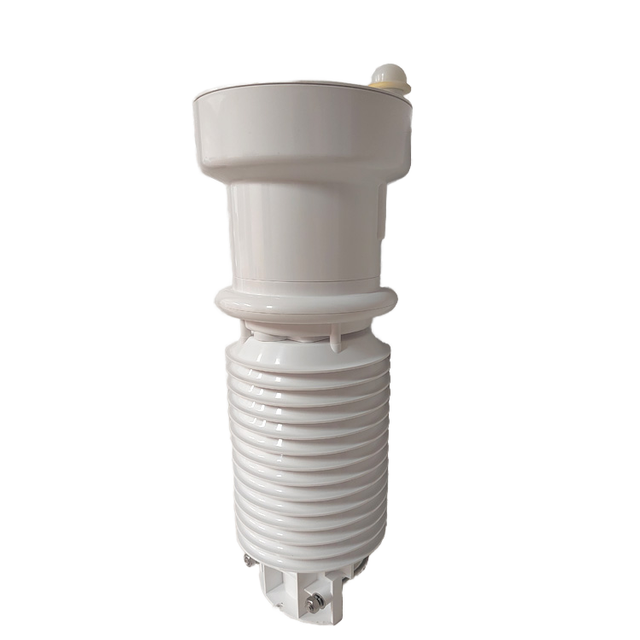
You use Temp. Humi. Pressure Sensors to check temperature, humidity, and air pressure. These sensors help you notice changes that show a storm is near. Wind Sensors tell you how fast and which way the wind blows. This helps you know if a storm will get stronger or change direction. Radiation Sensors measure sunlight and UV levels. During storms, these sensors show how much sunlight clouds block. This can affect energy and how well you can see. Soil Sensors check how wet the ground is. Wet soil can mean floods. Dry soil after a storm can mean drought.
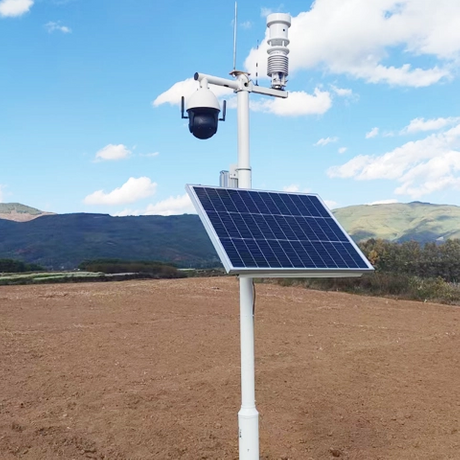
Weather stations put all these sensors together. They give you real-time information. You use Compact Weather Stations to get quick updates on all these things. These stations help you make choices for disaster planning and emergency help.
Advanced Sensing Technologies
You need advanced sensing technologies to get the best data during storms. Modern weather stations use smart sensors and wireless networks. These tools collect and share information fast. They help you act quickly and make better plans for disasters.
Here is a table that shows how new sensing technologies make meteorological monitoring better:
Advancement Type | Description |
Enhanced Accuracy and Precision | Sensors like MEMS give you exact numbers. This makes data more trustworthy. |
Miniaturization and Portability | Small weather stations can go anywhere, even far away places. |
Multi-parameter Sensors | One device can measure many things at once. This saves time and work. |
Wireless Communication Capabilities | Data moves fast, so you get updates right away. |
Smart Sensor Networks | IoT connects sensors for nonstop monitoring and better forecasts. |
Automated Data Collection | IoT makes reports automatic, so you get fast and correct updates. |
Integration with Other Systems | Sensors work with other systems to give a full view of the environment. |
Enhanced Predictive Analytics | AI and big data will help you predict storms even better soon. |
Increased Use of Drones and Satellites | Drones and satellites give you clear data during bad weather. |
You use weather stations like the Smart 7-in-1 Compact Weather Station to get good data in tough weather. Tests show these stations work well in freezing cold and strong shaking. The heater keeps the station working when it is cold. The strong structure helps it last during storms. You can trust these devices to give you real-time information when you need it.
Greenhouse sensors help you watch temperature, humidity, light, and CO2. These sensors are important for farmers to get ready for disasters. Portable weather stations let you set up monitoring anywhere. This helps with emergency planning and disaster response in places without permanent stations.
Weather stations are very important for meteorological monitoring. You use them to collect data, plan for emergencies, and get ready for disasters. With the right tools, you can protect your community and act fast when a storm comes.
Early Warning Systems
When storms are coming, early warning systems help keep you safe. These systems use meteorological monitoring to watch the weather. They send alerts before bad weather gets to your area. You need good weather data from weather stations to make safe choices.
Timely Alerts
Timely alerts help you stay safe in storms or typhoons. Early warning systems use weather stations with Temp. Humi. Pressure Sensors, Radiation Sensors, Wind Sensors, and Soil Sensors. These tools measure temperature, humidity, air pressure, wind speed, sunlight, and soil moisture. Experts use this data to make forecasts and warn you about danger.
Early warning systems collect meteorological, hydrological, and social data to watch for hazards.
You get alerts by radio, TV, mobile phones, and community networks.
Real-time monitoring uses satellite images and radar to follow storms.
Alerts come by SMS, email, or voice, so you have time to get ready.
Businesses use warnings to protect their supply chains and start disaster plans.
Weather stations are important for this job. They give updates all the time, so you get the latest news. When you get a severe weather warning, you can act fast to protect your family and home.
Note: Good early warning systems save lives and lower disaster damage. Weather sensors are key because they always track important weather parameters.
Case studies show how timely alerts help:
In 1963, the Baldwin Hills Dam failure showed early warning power. Officials saw seepage and told people to leave almost two hours before the dam broke. About 16,500 people left, which stopped more deaths.
In Oman, during Cyclone Mekunu, ten warnings went out before the storm hit. These warnings helped people get ready and lowered casualties compared to other storms with fewer warnings.
You can see why weather warning services with good data are important. These services help you get ready for storms and stay safe.
Evacuation and Response
When a storm is near, you need good weather data to help with evacuation and disaster response. Weather stations with advanced sensors give emergency managers the facts they need. Meteorologists use data from Compact Weather Stations, Wind Sensors, and Soil Sensors to track storm strength, direction, and rainfall.
Evidence Description | Impact on Evacuation Decisions and Emergency Response |
Historical post-assessment reports | Show how onsite meteorological services help decision makers. |
Integration of meteorologists | Makes communication and teamwork better in emergencies. |
Development of alert systems | Helps emergency managers and meteorologists work together faster. |
Meteorologists work with emergency teams. Their skills help save lives and lower damage. You benefit from their training and knowledge in emergencies.
Multi-channel alert systems send messages by SMS, social media, and more.
Real-time data uses live location and analytics to help communication.
Situational awareness tools help emergency managers know what is happening and act fast.
You can trust weather forecasts from weather stations to help you decide what to do. These forecasts tell you when to leave and where to go. Emergency teams use the same data to plan rescues and bring help.
New technology has made early warning systems better:
Hybrid models use statistics and machine learning for better forecasts.
IoT solutions help collect data and predict disasters.
Machine learning improves monitoring, forecasting, and alarms.
IoT, cloud computing, and artificial intelligence help with data analysis and environmental monitoring.
You see how meteorological monitoring, weather stations, and good weather data work together for disaster management. Early warning systems give you the information you need to stay safe, act fast, and recover after storms.
Disaster Risk Reduction
Preparedness Planning
You must be ready before storms come. Meteorological monitoring gives you weather data to help you plan. Weather stations use Temp. Humi. Pressure Sensors, Radiation Sensors, Wind Sensors, and Soil Sensors. These sensors track temperature, humidity, wind, rainfall, and air quality. You use this data to watch for bad weather and get ready.
Here is how each atmospheric parameter helps you prepare:
Atmospheric Parameters | Applications in Disaster Preparedness |
Temperature | Tracks severe weather events |
Humidity | Sends alerts for storms |
Air Pressure | Watches for typhoons |
Wind Speed/Direction | Keeps people safe during storms |
Rainfall/Snowfall | Warns about extreme weather |
Solar Irradiance | Shows environmental changes |
Lightning | Tells how strong a storm is |
Visibility | Checks if it is safe outside |
PM2.5 and Pollutants | Gives health alerts during disasters |
When you use weather stations, you can guess storm impacts. You get ready faster. Plans that use weather models and real-time data help you make smart choices. You can warn people early, protect homes, and lower risks. These plans help you lose less and manage disasters better.
Resource Allocation
You need to use your resources well during disasters. Weather stations give you live data, so you know where help is needed most. Compact Weather Stations and Soil Sensors show which places might flood or burn. This helps you send supplies and rescue teams to the right spots.
Here are ways to use weather data for resource allocation:
Method | Description |
Data Analytics | Measures storm impacts with forecasts and checks buildings for good planning. |
Predictive Modeling | Uses data to guess outages, so you can move resources early and talk better. |
Scenario Planning | Uses forecasts to change resource needs as storms change. |
Strategic Positioning | Puts resources where storms might hit, so you can respond fast and lower damage. |
Real-time data from weather stations helps you build strong emergency plans.
IoT weather systems track wind, pressure, and temperature. You can evacuate early and turn off power if needed.
Public weather data helps everyone make quick choices in emergencies.
Disaster risk reduction needs good planning, reliable weather stations, and strong emergency response. When you use weather data and sensors, you protect lives, homes, and your community’s future.
Recovery and Resilience
Infrastructure Protection
Strong infrastructure keeps people safe during and after storms. Meteorological monitoring helps protect roads, bridges, power lines, and water systems. Weather stations with Temp. Humi. Pressure Sensors, Radiation Sensors, and Wind Sensors give real-time data. This data helps you find risks and act quickly.
Aspect | Description |
Advanced Weather Intelligence | Utilities use weather stations to get ready for bad weather. |
Predictive Analytics | You can guess how storms will affect things and act early. |
Real-time Alerts | Warnings help keep workers and equipment safe. |
Asset Management | Predictive tools help fix and care for things before they break. |
Smart sensors and monitoring systems check if buildings and bridges are safe. You can find problems early and fix them before they get worse. Compact Weather Stations and Soil Sensors help you watch for floods and check if the ground is stable. These tools help you plan repairs and keep roads open.
Tip: Good flood data from weather stations gives emergency teams more time to help and lowers danger.
Post-Storm Recovery
After a storm, you need to rebuild and recover fast. Meteorological data shows which places need help first. Weather stations keep giving updates on temperature, humidity, and air pressure. You use this information to guide repairs and help recovery teams.
You collect data to check damage and see how things are going.
Updates help you plan where to fix homes and roads.
Weather stations track air quality and soil moisture to make sure rebuilding is safe.
Advanced forecasting tools help you guess future risks and make better plans. Communities use these tools to get stronger and save money. You can work with local leaders and use weather data to build better roads and safer homes.
Note: Impact-based forecasting helps you know what storms might do next. You use this to make smart choices for disaster management and future plans.
When you buy weather stations and smart sensors, you help your community recover faster and get ready for the next storm.
You use weather stations to help keep your community safe during storms. These tools, like Temp. Humi. Pressure Sensors, Radiation Sensors, Wind Sensors, Compact Weather Station, and Soil Sensors, give you correct data fast. This helps you act quickly when bad weather comes. The table below explains how weather stations help with disaster management:
Key Benefit | Description |
Effective Monitoring Tasks | You set up tasks to get better data. |
Information Extraction | You use remote sensing to find important weather disaster facts. |
Change Detection | You look at data over time to see how disasters change. |
Disaster Degree Assessment | You guess how much damage happened to know the impact. |
Disaster Rescue Progress Monitoring | You watch recovery work and check if plans are working. |
Using weather stations to stop floods early saves lives and homes.
IoT sensors give you important data for emergencies.
Weather stations use predictive analytics to help plan evacuations and send help.
You can make your community safer by using better meteorological monitoring tools. Try new technology and see how weather stations help you get ready for future storms.