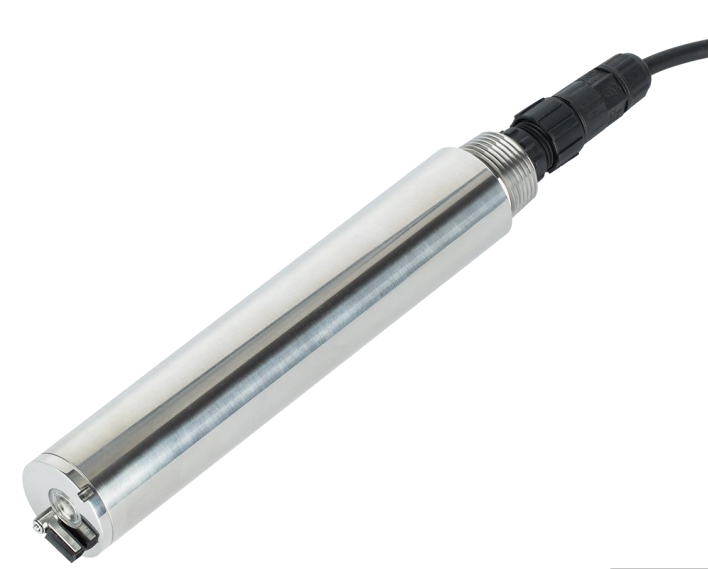
pH monitoring is a cornerstone of effective wastewater treatment, as even minor fluctuations in acidity or alkalinity can disrupt biological processes, reduce chemical treatment efficiency, and lead to non-compliance with environmental regulations. This comprehensive guide explores the inner workings of pH probes in wastewater systems and provides a detailed, actionable framework for using pH meters to obtain accurate, reliable test results—covering all critical aspects from probe selection to result validation.
1. Understanding pH Probes: Core Working Principles
pH probes, also referred to as pH sensors or electrodes, are electrochemical devices designed to measure hydrogen ion (H⁺) concentration in wastewater, thereby determining its pH level (0–14 scale: <7 acidic, 7 neutral, >7 alkaline). Their functionality relies on three key components and a simple yet precise mechanism:
• pH-sensitive membrane: Typically constructed from glass or solid-state materials, this membrane reacts selectively to hydrogen ions, forming a charged interface when in contact with wastewater.
• Reference electrode: A stable silver/silver chloride electrode that provides a fixed baseline potential, enabling comparison with the membrane’s variable potential.
• Electrolyte solution: Facilitates electrical signal conduction between the membrane and reference electrode, ensuring consistent data transmission.
When immersed in wastewater, hydrogen ions interact with the sensitive membrane, creating a potential difference between the probe’s internal element and the reference electrode. This potential difference is converted into a precise pH value using the Nernst Equation—a fundamental principle that underpins all pH measurement technology. For wastewater applications, this sensitivity to even small pH changes (±0.1 pH) is critical, as it allows operators to make timely adjustments to treatment processes.
![wastewater ph probe]()
ph probes for wastewater
2. Key Features of High-Performance pH Probes for Wastewater
Wastewater environments are inherently harsh, characterized by chemical contaminants, suspended solids, sludge, and physical stressors. To ensure longevity and accuracy, pH probes for wastewater must possess the following specialized features:
• Durable construction: Made from corrosion-resistant materials such as titanium, Ryton (PPS), or Ultem to withstand exposure to aggressive chemicals and physical abrasion.
• Anti-fouling design: Flat, self-cleaning surfaces or extended reference paths (ERP) prevent clogging and contamination from proteins, sulfides, and sludge—ideal for dirty samples like paper-pulp or industrial wastewater.
• Reliable reference systems: Gel-filled or solid-state reference junctions maintain stability in complex wastewater matrices, reducing signal drift and the need for frequent recalibration.
• Temperature compensation: Integrated temperature sensors adjust pH readings to account for temperature fluctuations, a critical feature since pH values vary with temperature.
• Advanced connectivity: Technologies like Memosens (inductive, non-contact signal transmission) eliminate corrosion at connection points, enhancing reliability and simplifying maintenance.
• Specialized junctions: Double-junction electrodes block chemical interferences, while flushable junctions allow easy cleaning for highly contaminated samples—both essential for wastewater applications.
Additionally, portable pH meters with rugged electrodes are available for on-site testing, providing flexibility for field-based wastewater monitoring.
3. Critical Calibration & Maintenance Protocols
Accurate pH measurement depends on rigorous calibration and proactive maintenance. Neglecting these steps can lead to inaccurate readings, process inefficiencies, and regulatory violations.
3.1 Calibration Guidelines
• Frequency: Calibrate every 3–6 months for wastewater applications (more frequently for highly contaminated streams).
• Method: Use 2-point calibration: pH 4 & 7 buffers for acidic wastewater, and pH 7 & 10 buffers for alkaline wastewater.
• Acceptance criteria: Ensure the electrode slope falls between 92–102% to guarantee measurement accuracy.
3.2 Maintenance Best Practices
• Cleaning: Regularly remove fouling with deionized water, alcohol (for organic contaminants), or diluted cleaning solutions. Avoid harsh chemicals that damage the sensitive membrane.
• Storage: Store probes in a dedicated storage solution when not in use. Avoid extreme temperatures and prolonged dryness, as these can irreparably damage the membrane and reference system.
• Inspection: Periodically check for physical damage (e.g., cracks in the membrane) and replace probes if performance degrades.
4. Step-by-Step Guide to Using pH Meters for Wastewater Testing
Follow this structured protocol to ensure accurate, reproducible pH measurements for wastewater samples.
4.1 Preparation
• Required equipment: Durable pH meter, double-junction or flushable-junction pH electrode, automatic temperature compensation (ATC) probe, stirrer with stir bar, 100-mL graduated cylinder, 100-mL beaker, deionized water, and calibration buffers.
• Pre-calibration: Calibrate the pH meter following the guidelines in Section 3.1.
4.2 Sampling Protocol
• Collect 2–3 samples from each site in sealed containers to prevent off-gassing of volatile compounds (which can alter pH levels).
• Test samples immediately after collection—avoid time delays, as exposure to air can change pH (especially for alkaline samples, which absorb CO₂ and form carbonic acid, lowering pH).
• No preservatives or pre-treatment are required for pH testing.
4.3 Laboratory Testing Steps
1. Use a graduated cylinder to measure 60 mL of wastewater into a 100-mL beaker and stir gently. Minimize air exposure for alkaline samples.
%1. Rinse the pH electrode and ATC probe with deionized water, then blot dry with a lint-free cloth (avoid rubbing the membrane).
%1. Immerse the probes in the sample and allow the reading to stabilize (typically 30 seconds to 2 minutes).
%1. Record the pH value. Rinse the probes thoroughly with deionized water and repeat steps 1–4 for additional samples.
4.4 Result Validation
A pH difference of ±0.5 or less between repeated tests of the same sample indicates reliable results and proper testing technique. If differences exceed this threshold, recheck the calibration and repeat the testing process.
5. Applications of pH Probes & Meters Across Wastewater Treatment Stages
pH monitoring is essential at every stage of wastewater treatment to optimize processes and ensure compliance:
• Primary treatment: Monitor influent pH to ensure it falls within the optimal range (6.5–8.5) for subsequent processes like coagulation and flocculation. Adjustments here prevent downstream process failures.
• Secondary treatment: Maintain pH levels (6.8–7.5 for aerobic digestion) to support microbial activity in activated sludge processes. Microbes are highly pH-sensitive, and imbalances reduce pollutant breakdown efficiency.
• Tertiary treatment & discharge: Verify that treated water meets regulatory pH standards before release to protect aquatic ecosystems. This is particularly critical for industrial wastewater, which often requires strict pH compliance for discharge permits.
6. Why pH Monitoring Is Indispensable for Wastewater Treatment
Effective pH control delivers three key benefits for wastewater treatment facilities:
• Process optimization: Real-time pH data allows operators to adjust chemical dosing (acids/bases) dynamically, ensuring efficient treatment and reducing chemical waste.
• Cost reduction: Prevents costly non-compliance fines and minimizes equipment damage from corrosion (low pH) or scaling (high pH). Proper pH control also avoids over-treatment, reducing operational costs.
• Environmental protection: Ensures discharged water does not harm aquatic life or contaminate water bodies, aligning with global environmental standards and sustainability goals.
7. Challenges of pH Monitoring in Wastewater & Mitigation Strategies
Despite their importance, pH probes face unique challenges in wastewater environments. Proactive mitigation strategies are essential to maintain performance:
• Fouling & drift: Contaminant buildup on probes and gradual signal drift reduce accuracy. Mitigate by using anti-fouling probes, implementing regular cleaning schedules, and calibrating frequently.
• Harsh chemical exposure: Aggressive chemicals in industrial wastewater can damage standard probes. Use probes with corrosion-resistant materials (e.g., titanium) and double-junction designs to block chemical interferences.
• Physical stress: Suspended solids and sludge can abrade probes. Select probes with rugged construction and flushable junctions to withstand these conditions.
Conclusion
pH probes and meters are indispensable tools for efficient, compliant, and sustainable wastewater treatment. Understanding how pH probes work, selecting models with wastewater-specific features, following rigorous calibration and maintenance protocols, and executing accurate testing procedures are critical for successful pH management. By integrating these practices, wastewater treatment facilities can optimize processes, reduce costs, and protect the environment—fulfilling both regulatory requirements and sustainability commitments. Whether monitoring influent, optimizing biological treatment, or verifying discharge compliance, reliable pH measurement is the foundation of effective wastewater management.