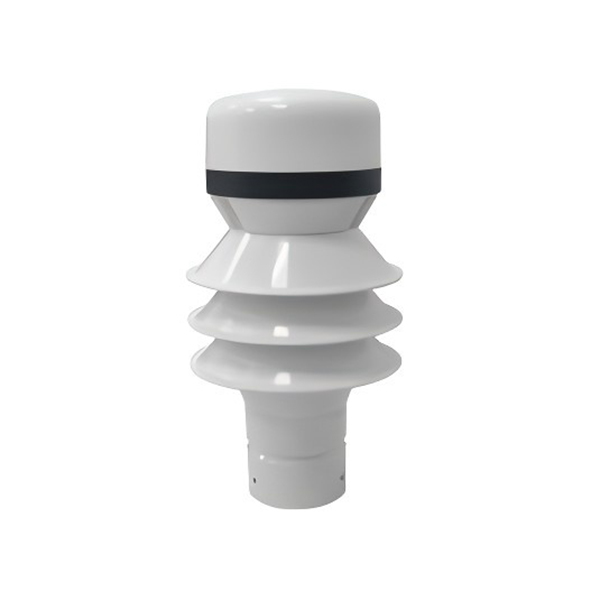
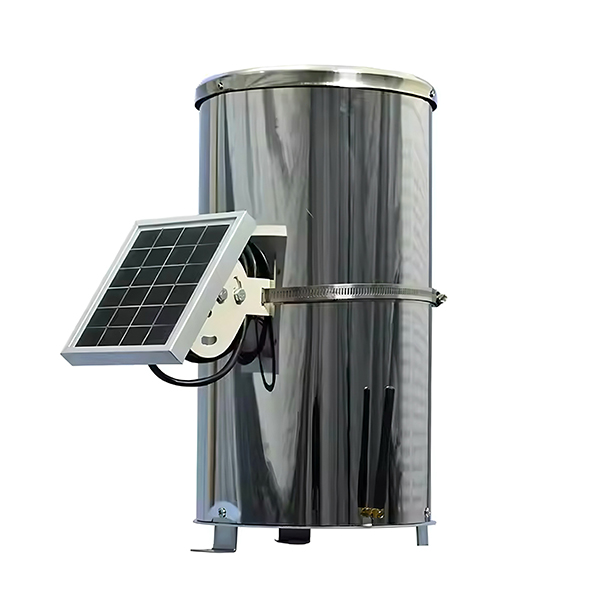
Precipitation sensors are crucial in understanding and managing environmental changes. They measure rainfall, aiding weather forecasting and climate research. In this post, you'll learn about their applications in meteorology, agriculture, hydrology, environmental monitoring, and urban planning. Discover how these sensors enhance water management, flood prevention, and ecosystem studies.
Meteorological Applications
Weather Forecasting
Weather forecasting relies heavily on precise rainfall measurements. Precipitation sensors detect the amount and intensity of rain, helping meteorologists predict upcoming weather conditions. They provide real-time data, allowing forecasters to issue timely warnings about storms, heavy rain, or potential flooding. This information helps communities prepare and respond effectively.
For example, tipping bucket rain gauges measure rainfall by collecting water in small buckets that tip when filled. Each tip sends a signal, enabling accurate rainfall recording. Optical rain sensors detect raindrops by changes in light intensity, offering high precision. These various sensor types ensure comprehensive data gathering across different environments.
Climate Research and Analysis
Long-term precipitation data collected by sensors supports climate research. Scientists analyze trends in rainfall patterns to understand how climate change affects precipitation. Changes in rainfall intensity, frequency, and seasonal distribution can indicate shifts in climate behavior.
Precipitation sensors help researchers study phenomena such as droughts, floods, and shifting weather zones. This data aids in building climate models that predict future conditions. Accurate precipitation records also support studies on global warming's impact on ecosystems and water cycles.
By integrating sensor data from multiple locations, researchers gain a clearer picture of regional and global climate trends. This insight is crucial for developing strategies to adapt to and mitigate climate change effects.
Agricultural Applications
Irrigation Optimization
One of the main uses of precipitation sensors in farming is irrigation management. These sensors measure rainfall accurately, so farmers know how much water their crops receive naturally. This information helps avoid overwatering, which wastes water and can harm plants, or underwatering, which stresses crops and reduces yields.
For example, when a sensor detects sufficient rainfall, an automated irrigation system can delay watering, saving water and energy. Conversely, if rainfall is low, the system can activate irrigation to maintain optimal soil moisture. This precise control supports sustainable farming, reduces costs, and improves crop health.
Drought Assessment and Crop Planning
Precipitation data also plays a critical role in assessing drought conditions. By monitoring long-term rainfall patterns, farmers and agricultural planners can identify drought periods early. This allows them to adjust planting schedules, choose drought-resistant crop varieties, or implement water-saving techniques.
Drought assessment helps minimize crop losses and ensures better food security. For instance, if sensors indicate below-average rainfall over several weeks, farmers might switch to crops that require less water or delay planting until conditions improve.
Moreover, precipitation sensors contribute to regional agricultural planning. They provide data for forecasting seasonal water availability, enabling policymakers and farmers to make informed decisions about resource allocation and crop selection.
Tip: Use precipitation sensor data to automate irrigation schedules, reducing water waste and improving crop yields while adapting to changing rainfall patterns.
")
Hydrological Applications
Water Resource Management
Managing water resources depends heavily on knowing how much rain falls in a region. Precipitation sensors provide accurate, real-time data about rainfall amounts, which helps water managers plan reservoir storage, groundwater recharge, and river flow regulation. For example, in dry seasons, knowing recent rainfall helps decide when to release water from dams or conserve it for later use.
These sensors also aid in monitoring watershed health by tracking rainfall patterns that influence runoff and soil moisture. This information supports sustainable water use, ensuring enough supply for communities, agriculture, and ecosystems. It also helps detect changes over time, which might indicate shifts in water availability due to climate or land use changes.
Flood Prediction and Prevention
Floods can cause severe damage to life, property, and infrastructure. Precipitation sensors play a key role in flood early warning systems by measuring rainfall intensity and duration. When sensors detect heavy or prolonged rain, hydrologists can assess flood risks and alert authorities promptly.
Combined with river level sensors and weather models, precipitation data helps predict when and where floods might occur. This allows emergency services to prepare evacuations, deploy resources, and minimize harm. Urban areas especially benefit from this data, as stormwater systems can be managed proactively to reduce flood impact.
Modern precipitation sensors often connect to automated monitoring networks, providing continuous updates. This connectivity improves response times and decision-making accuracy during extreme weather events.
Environmental Monitoring
Impact of Rainfall on Ecosystems
Rainfall influences ecosystems profoundly. Accurate precipitation data helps scientists understand how water availability affects plant growth, soil moisture, and animal habitats. For example, too much rain can cause soil erosion, washing away nutrients vital for plants. Too little rain stresses vegetation, reducing food sources for wildlife.
Precipitation sensors provide real-time and long-term rainfall measurements. This data helps track seasonal changes and extreme events like droughts or heavy storms. Researchers use these insights to study ecosystem health, biodiversity shifts, and habitat sustainability.
In wetlands, rain sensor data guides water level management, crucial for preserving aquatic life. In forests, rainfall patterns influence fire risk assessments and reforestation efforts. By monitoring precipitation, environmentalists can develop strategies to protect vulnerable ecosystems from adverse weather impacts.
Climate Change Studies
Climate change alters precipitation patterns globally. Precipitation sensors supply the accurate, continuous data needed to detect these changes. Scientists analyze trends such as increased rainfall intensity, longer dry spells, or shifts in seasonal timing.
This information feeds climate models predicting future scenarios. For example, rising temperatures may lead to more intense storms or prolonged droughts in certain regions. Understanding these trends helps policymakers plan adaptation measures, such as water conservation programs or infrastructure upgrades.
Long-term precipitation datasets also reveal how ecosystems respond to climate shifts. Changes in rainfall can affect carbon storage in soils, plant growth rates, and species migration. Precipitation sensors thus support comprehensive climate impact assessments, guiding global efforts to mitigate environmental risks.
Urban Planning and Infrastructure
Precipitation sensors are essential tools in urban planning and infrastructure management. They provide accurate rainfall data that helps cities handle stormwater and reduce flood risks.
Stormwater Management
Cities face challenges managing stormwater during heavy rains. Precipitation sensors help urban planners monitor rainfall in real time, allowing them to control drainage systems effectively. By measuring how much rain falls and how fast, these sensors help determine when stormwater systems need to be activated or adjusted.
For example, when sensors detect heavy rainfall, stormwater pumps can be turned on automatically to prevent water buildup. Sensors also help identify areas where drainage is insufficient, guiding improvements to infrastructure like gutters, pipes, and retention basins. This proactive approach reduces flooding, protects roads and buildings, and keeps public spaces safe.
Moreover, precipitation data supports designing green infrastructure such as rain gardens, permeable pavements, and green roofs. These features absorb rainwater and reduce runoff, easing the burden on drainage systems. Accurate rainfall measurements ensure these systems are sized and placed correctly for maximum effectiveness.
Flood Risk Assessment
Flooding poses serious risks to urban areas, damaging property and endangering lives. Precipitation sensors play a critical role in flood risk assessment by providing detailed data on rainfall intensity and duration. This data feeds into flood prediction models used by city planners and emergency responders.
When sensors record sustained heavy rain, authorities can issue flood warnings and prepare evacuation plans. Combining precipitation data with river and soil moisture sensors improves the accuracy of flood forecasts. This helps cities allocate resources efficiently and respond faster to emergencies.
Urban planners also use long-term precipitation records to identify flood-prone zones. This information guides zoning decisions and infrastructure investments, such as building levees or upgrading drainage in vulnerable neighborhoods. It also informs policies on land use and development to minimize flood impact.
Integration with Smart City Technologies
Modern cities increasingly use smart technologies for infrastructure management. Precipitation sensors integrate seamlessly into these systems, providing real-time data through wireless networks. This connectivity enables automated responses to rainfall events and supports data-driven urban planning.
For instance, smart stormwater systems can adjust flow rates based on sensor input, optimizing water management during storms. Data collected over time helps cities analyze rainfall trends and plan resilient infrastructure projects that withstand future climate challenges.

Technological Advancements in Precipitation Sensors
Types of Precipitation Sensors
Precipitation sensors come in several types, each designed to measure rainfall accurately but using different technologies:
Tipping Bucket Rain Gauges: These sensors collect rainwater in a small bucket that tips when filled to a set amount (e.g., 0.1mm or 0.2mm). Each tip sends a pulse signal to a data system, counting the rainfall precisely. They are widely used because of their simplicity, accuracy, and ease of maintenance.
Weighing Rain Gauges: These measure precipitation by weighing the collected water. They provide very accurate data and are ideal for scientific research and high-precision monitoring.
Optical Rain Sensors: These detect raindrops by monitoring changes in a light beam. When raindrops pass through, they alter light intensity or path, allowing the sensor to measure rainfall size and speed. They offer high precision and are useful where detailed precipitation data is needed.
Piezoelectric Rain Detectors: These use the impact force of raindrops on a piezoelectric element to measure rainfall intensity. They are sensitive and can detect the start and intensity of precipitation quickly.
Radar Rain Sensors: Using Doppler radar technology, these sensors measure raindrop speed and size, distinguishing rain, snow, or hail. They provide real-time data over larger areas, useful for advanced weather monitoring.
Advantages of Modern Sensors
Modern precipitation sensors offer several benefits over traditional methods:
High Accuracy and Resolution: Sensors can detect small rainfall amounts (down to 0.1mm), providing precise data for various applications.
Automation and Real-Time Data: Many sensors automatically collect, measure, and transmit data without human intervention. This enables timely weather updates and quick responses to changing conditions.
Durability and Weather Resistance: Designed for outdoor use, sensors withstand harsh weather, including cold temperatures, with features like built-in heaters preventing ice buildup.
Easy Integration: Digital output signals allow seamless connection to weather stations, irrigation systems, and smart city networks. Wireless data transmission supports remote monitoring.
Low Maintenance and Power Consumption: Modern sensors require minimal upkeep and consume little power, suitable for long-term, unattended deployments.
Multi-Parameter Sensing: Some advanced models combine precipitation detection with temperature and humidity sensors, enriching environmental data.
Example Diagram: Tipping Bucket Rain Gauge Operation
[Rainwater] → [Collector Funnel] → [Tipping Bucket]
                   ↓                    ↓
               Raindrops           Bucket fills → Tips over → Sends pulse signal
This simple mechanical process converts rainfall into digital data easily recorded and analyzed.
Conclusion
Precipitation sensors are vital in meteorology, agriculture, hydrology, environmental monitoring, and urban planning. They provide accurate rainfall data for weather forecasting, irrigation optimization, flood prediction, and climate research. Future innovations promise enhanced precision and integration with smart technologies. BGT Hydromet offers advanced precipitation sensors, delivering reliable data for diverse applications. Their products ensure efficient water management and disaster preparedness, highlighting their commitment to quality and innovation in environmental solutions.
FAQ
Q: What is a precipitation sensor?
A: A precipitation sensor measures rainfall intensity and amount, helping in weather forecasting, irrigation, flood prevention, and climate research.
Q: How does a tipping bucket rain gauge work?
A: It collects rainwater in a small bucket that tips when filled, sending a pulse signal for accurate rainfall measurement.
Q: Why are precipitation sensors important for agriculture?
A: They help optimize irrigation, reduce water waste, and assess drought conditions, ensuring better crop yields.
Q: What types of precipitation sensors are available?
A: Common types include tipping bucket, weighing rain gauges, optical sensors, and radar rain sensors, each with specific applications.
Q: How do precipitation sensors support flood prediction?
A: They measure rainfall intensity and duration, providing data that helps predict and prevent flood risks.