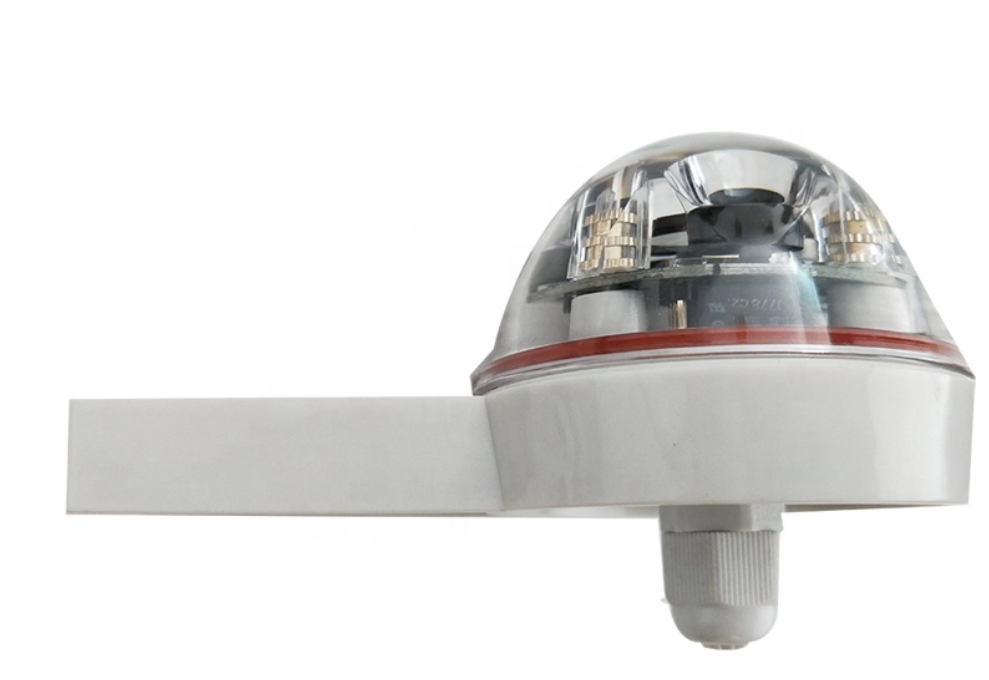
How do we measure rain? Is it with a simple device or advanced technology? Understanding precipitation sensors and rain gauges can clarify this. These tools are vital for accurate weather data. In this post, you'll learn what these devices are and why knowing their differences matters.
Historical Background
Origins of Rain Measurement Techniques
Humans have long sought ways to measure rainfall, recognizing its vital role in agriculture, water supply, and weather prediction. The earliest known rain measurements date back to around 400 BCE in Ancient India. Records from Palestine and China also show early efforts to quantify precipitation, highlighting the universal need to understand rainfall patterns.
One of the first standardized rain gauges appeared much later, in 1441 CE, during the reign of Sejong the Great of Korea. This invention marked a significant advancement by providing a consistent method to collect and measure rainwater. Before that, rain measurement was mostly informal and varied widely.
Evolution of Rain Gauges and Sensors Over Time
Traditional rain gauges evolved from simple containers to more sophisticated mechanical devices. The tipping bucket rain gauge, which measures rainfall by collecting water in a small bucket that tips when full, became popular for its ability to provide automated readings. Weighing rain gauges, which measure the mass of collected precipitation, offered another precise method.
With the rise of electronic technology, rain measurement tools took a leap forward. Precipitation sensors emerged, using optical, radar, capacitive, and resistive principles to detect rain presence, intensity, and type without physically collecting water. These sensors provide real-time data and can distinguish between rain, snow, or hail.
Today, many weather stations use both rain gauges and precipitation sensors to gather comprehensive data. Rain gauges offer quantitative measurements of accumulated rainfall, while sensors provide qualitative insights into precipitation characteristics. This combination supports applications in meteorology, agriculture, and environmental planning.
Summary Table: Historical Milestones in Rain Measurement
| Period | Development | Significance |
| ~400 BCE | Early rain measurement in India | Initial attempts to quantify rainfall |
| 1441 CE | Standardized rain gauge in Korea | First consistent rain measurement tool |
| 19th-20th century | Mechanical rain gauges (tipping bucket, weighing) | Automated and precise rainfall data collection |
| Late 20th century | Electronic precipitation sensors | Real-time, qualitative precipitation detection |
The journey from simple water collection to advanced sensing technology reflects humanity's growing need for accurate and timely rainfall information.
Note: Early rain gauges relied on manual readings, but modern sensors provide instant data, enabling better decision-making in agriculture and water management.
Functionality and Purpose
How Rain Gauges Work
Rain gauges measure the amount of rainfall by physically collecting water. The most common type is the tipping bucket rain gauge. It has a small bucket that fills with rainwater. Once the bucket fills to a certain level, it tips, empties, and resets. Each tip counts as a fixed volume of rain, allowing the device to record the total rainfall over time. Another type is the weighing rain gauge, which measures the weight of collected precipitation to determine rainfall amount.
These gauges provide quantitative data — the exact volume of rain that falls. They require placement in an open area, away from obstructions like trees or buildings, to ensure accurate collection. They also need periodic maintenance to clear debris or check mechanical parts.
How Precipitation Sensors Operate
Precipitation sensors detect rain without collecting water. They use various technologies to sense the presence and intensity of precipitation quickly and continuously.
Optical Sensors: Shine a light beam and detect changes in light caused by raindrops interrupting or scattering the beam.
Radar Sensors: Emit radio waves that bounce off raindrops, measuring the intensity and type of precipitation.
Capacitive Sensors: Detect changes in electrical capacitance caused by water on the sensor surface.
Resistive Sensors: Use conductive rings that detect water by measuring changes in electrical resistance.
These sensors provide qualitative data, such as whether it is raining, how hard, and sometimes what type of precipitation is falling (rain, snow, hail). They react instantly and require little maintenance because they have few or no moving parts.
Comparison of Their Core Functions
| Aspect | Rain Gauge | Precipitation Sensor |
| Measurement Type | Quantitative (volume of rainfall) | Qualitative (presence, intensity, type) |
| Data Provided | Total rainfall amount over time | Real-time detection of rain onset and intensity |
| Operation Principle | Mechanical collection and measurement | Electronic detection using optical, radar, or electrical properties |
| Maintenance | Requires cleaning and mechanical upkeep | Low maintenance, fewer moving parts |
| Response Time | Slower, depends on water collection | Immediate detection |
| Accuracy | High for total rainfall measurement | Varies, good for detecting rain presence and intensity |
| Application Focus | Weather monitoring, research, hydrology | Automated irrigation control, real-time alerts |
Rain gauges excel in measuring how much rain has fallen, making them vital for meteorology and hydrology. Precipitation sensors excel in detecting rain quickly and controlling systems like irrigation or vehicle wipers.
Together, they complement each other by providing both precise volume data and immediate rain detection for various uses.

Types of Rain Gauges
Rain gauges come in various forms, designed to measure rainfall accurately by collecting and quantifying precipitation. Understanding their types helps in selecting the right gauge for specific needs, especially in irrigation, weather monitoring, and research.
Manual Rain Gauges
Manual rain gauges are the simplest type. They usually consist of a cylindrical container with measurement markings on the side, allowing you to visually check how much rain has fallen. After rainfall, you read the water level and then empty the gauge to prepare for the next measurement. These gauges are inexpensive and easy to use but require someone to check and record the data regularly.
Manual gauges work well for home gardeners or small-scale users who don't need continuous data. However, they are less practical for large areas or automated systems due to the need for manual intervention.
Automatic Rain Gauges
Automatic rain gauges automate the measurement and recording process. They often use a funnel to collect rainwater, which then channels into a tipping bucket or weighing mechanism. When the bucket fills to a certain point, it tips, sending an electronic signal that registers a fixed amount of rainfall (for example, 0.2 mm or 0.01 inches). The system counts the number of tips over time to calculate total rainfall.
These gauges provide continuous data without manual reading, making them ideal for weather stations, agricultural monitoring, and irrigation management. They can connect to data loggers or smart systems, offering real-time rainfall information remotely.
Tipping Bucket and Weighing Gauges
Tipping Bucket Rain Gauges: This type uses a small seesaw-like bucket that tips when filled to a preset volume, emptying the water and starting over. Each tip represents a specific rainfall amount, allowing precise accumulation tracking. They are widely used due to their simplicity, reliability, and low power consumption.
Weighing Rain Gauges: These gauges measure the weight of collected precipitation in a container. The weight changes as rain accumulates, providing an accurate measurement of total rainfall, including various precipitation types like rain, snow, or hail. They are more complex and often require more maintenance but offer high precision, especially in mixed weather conditions.
Summary of Rain Gauge Types
| Type | Description | Advantages | Limitations |
| Manual | Simple container with measurement marks | Low cost, easy to use | Requires manual reading and emptying |
| Automatic | Funnels rain into tipping bucket or weighing system | Continuous data, remote monitoring | Higher cost, needs power source |
| Tipping Bucket | Bucket tips at fixed volume, counts tips | Reliable, low power, common | Can clog, less accurate in heavy rain |
| Weighing | Measures weight of collected precipitation | Accurate, works in all precipitation types | More expensive, requires maintenance |
Each rain gauge type has its own strengths. Manual gauges suit small-scale or budget-conscious users. Automatic gauges fit professional or large-area monitoring needs. Tipping bucket gauges balance cost and automation, while weighing gauges provide the highest accuracy for diverse weather.
Types of Precipitation Sensors
Precipitation sensors detect rain or other precipitation without collecting water. They use electronic or electromagnetic principles to sense the presence, intensity, and sometimes type of precipitation instantly. Here are the main types:
Optical Sensors
Optical sensors use light to detect precipitation. They emit a light beam, often infrared, across a small gap. When raindrops or snowflakes pass through, they interrupt or scatter the light. The sensor measures these changes to determine if it is raining and estimate intensity.
How They Work: A light source sends a beam to a receiver. Raindrops falling through reduce the light intensity or scatter light differently.
Advantages: Fast response, no moving parts, low maintenance.
Limitations: Can be less accurate in heavy rain or mixed precipitation. Sensitive to dirt or water droplets on the sensor surface.
Radar Sensors
Radar sensors use radio waves to detect precipitation. They emit radio waves that bounce off raindrops or snowflakes. The sensor measures the reflected signals to determine precipitation presence, intensity, and sometimes type.
How They Work: Radio waves travel through the air, hit precipitation particles, and reflect back. The sensor analyzes the signal strength and timing.
Advantages: Can detect precipitation over a larger area, works well in various weather conditions, including snow and hail.
Limitations: More complex and costly than other sensors, requires power, and may need calibration.
Capacitive Sensors
Capacitive sensors detect precipitation by measuring changes in electrical capacitance caused by water on the sensor surface. Water alters the dielectric constant between conductive plates, changing capacitance.
How They Work: Two conductive plates form a capacitor. When water covers the sensor, capacitance changes, indicating rain.
Advantages: Simple design, low power, no moving parts.
Limitations: Sensitive to sensor contamination and requires calibration for accurate intensity estimates.
Resistive Sensors
Resistive sensors measure rainfall by detecting changes in electrical resistance between conductive elements. When water bridges the gap between electrodes, resistance drops, signaling precipitation.
How They Work: Conductive rings or strips detect water presence by completing an electrical circuit.
Advantages: Very sensitive to the presence of water, low cost, easy to integrate.
Limitations: Only detect presence, not intensity or type. Can be affected by dirt or corrosion.

Applications and Use Cases
Rain gauges and precipitation sensors serve distinct yet complementary roles across various fields. Their unique capabilities make them essential tools for weather monitoring, agriculture, and urban planning.
Weather Monitoring and Forecasting
Meteorologists rely heavily on rain gauges for precise rainfall measurements. Gauges provide accurate data on the total amount of precipitation over time, crucial for forecasting storms and studying climate trends. Precipitation sensors, on the other hand, offer real-time detection of rain onset and intensity. This immediate information helps in issuing timely weather alerts and adjusting forecasts dynamically.
Together, these devices enhance weather stations' ability to capture both the quantity and quality of precipitation. For example, a rain gauge might record the total rainfall after a storm, while a sensor detects the start of rain earlier, improving alert systems.
Irrigation and Agriculture
In farming, efficient water use is vital. Precipitation sensors help by detecting rain quickly and signaling irrigation systems to pause watering, preventing over-irrigation and conserving water. These sensors react instantly, making them ideal for automated irrigation control.
Rain gauges complement this by measuring how much rain has fallen, allowing farmers to adjust watering schedules based on actual rainfall amounts. Knowing the precise volume helps maintain optimal soil moisture for crops, improving yield and reducing waste.
For instance, a sensor might stop irrigation during a light shower, while the gauge data informs longer-term irrigation planning throughout the growing season.
Environmental and Urban Planning
Urban planners and environmental scientists use rain gauges to monitor rainfall patterns that affect drainage, flood risk, and water resource management. Accurate rainfall totals help design effective stormwater systems and assess environmental impacts.
Precipitation sensors contribute by providing immediate rain detection, which can trigger flood warnings or activate urban water management systems. Sensors integrated into smart city infrastructure enable real-time responses to changing weather, improving public safety and resource allocation.
In environmental research, combining both devices offers a fuller picture—gauges quantify rainfall accumulation, while sensors detect precipitation type and intensity, aiding in studies on erosion, pollution runoff, and habitat conditions.
Tip: Deploy rain gauges for detailed rainfall volume tracking and precipitation sensors for instant rain detection to optimize irrigation and improve weather-responsive urban management.
Advantages and Limitations
Understanding the benefits and drawbacks of rain gauges and precipitation sensors helps in selecting the right tool for your needs. Each device has unique strengths and challenges tied to its design and function.
Benefits of Using Rain Gauges
Rain gauges provide precise, quantitative measurements of rainfall. They collect actual water, giving exact data on how much rain has fallen. This accuracy is crucial for meteorology, hydrology, and research. They are reliable for long-term data collection, helping track trends and support climate studies.
Accuracy: Rain gauges measure rainfall volume directly, often with ±4% accuracy.
Simplicity: Manual gauges are easy to use and inexpensive.
Data Richness: They provide total precipitation amounts and intensity over time.
Versatility: Weighing rain gauges can measure rain, snow, and hail, useful in diverse climates.
However, rain gauges require regular maintenance. Debris can clog funnels, and mechanical parts may wear. They respond slower since they rely on water accumulation. Also, they must be placed carefully in open areas to avoid inaccurate readings from obstructions or splashing.
Advantages of Precipitation Sensors
Precipitation sensors detect rain presence and intensity quickly without collecting water. They use optical, radar, capacitive, or resistive technologies, often with no moving parts, which reduces maintenance.
Fast Response: Sensors detect rain onset instantly, ideal for real-time alerts and automation.
Low Maintenance: Few or no moving parts mean less wear and easier upkeep.
Integration: Easily connect with irrigation systems, smart homes, or weather networks.
Versatility: Some sensors distinguish precipitation types like rain, snow, or hail.
They are compact and often energy efficient, making them suitable for remote or automated setups. Their real-time data helps prevent overwatering in irrigation and supports immediate weather warnings.
Challenges and Drawbacks of Each Device
Each device has limitations to consider:
Rain Gauges:
Require frequent cleaning to prevent blockages.
Mechanical parts may fail or need calibration.
Slower to respond to rain start or stop.
Can be affected by wind and evaporation, causing measurement errors.
Manual types need regular human intervention.
Precipitation Sensors:
Provide qualitative data, less precise for total rainfall volume.
Calibration may be needed to maintain accuracy.
Environmental factors like dirt, temperature, or humidity can affect readings.
Some sensor types struggle with mixed precipitation or heavy rain.
May have higher initial costs than simple rain gauges.
Choosing between them depends on application needs. For precise rainfall amounts and long-term data, rain gauges excel. For quick detection and automation, precipitation sensors shine.
Integrating Technology
Combining Rain Gauges and Sensors for Comprehensive Data
Rain gauges and precipitation sensors each bring unique strengths. Combining them lets us gather both precise rainfall amounts and instant rain detection. This integrated approach provides a fuller picture of precipitation events.
Rain gauges measure the total volume of rain over time by collecting water. They offer accurate, quantitative data essential for hydrology, weather research, and irrigation planning. However, they respond slower because they rely on water accumulation.
Precipitation sensors detect rain presence and intensity immediately, using optical, radar, capacitive, or resistive methods. They provide qualitative data and can trigger real-time responses, like pausing irrigation or activating alerts. Their quick reaction complements the rain gauge’s detailed measurements.
Using both devices together supports better decision-making. For example, a sensor can detect the start of rain and stop irrigation instantly. Meanwhile, the rain gauge records how much rain actually fell, helping adjust watering schedules later.
This synergy benefits many fields:
Agriculture: Sensors prevent overwatering by stopping irrigation during rain. Gauges inform long-term watering plans.
Weather Stations: Sensors provide early rain detection for alerts. Gauges supply accurate rainfall totals for analysis.
Urban Planning: Sensors trigger flood warnings. Gauges help design drainage systems based on rainfall volume.
Many modern weather stations and smart irrigation systems integrate both technologies. Data from sensors and gauges can be combined in software platforms for comprehensive monitoring and control.
Future Trends in Rain Measurement Technology
Rain measurement technology continues evolving. Future trends aim to improve accuracy, reduce maintenance, and enhance data integration.
Hybrid Sensors: Devices combining rain gauge and sensor functions into one unit are emerging. These provide both quantitative and qualitative data simultaneously.
Wireless Networks: Rain sensors and gauges increasingly connect wirelessly to cloud platforms, enabling real-time data sharing and remote management.
AI and Big Data: Advanced analytics use data from multiple rain measurement devices to improve forecasting, irrigation optimization, and flood prediction.
Miniaturization and Energy Efficiency: Smaller, low-power sensors allow deployment in more locations, enhancing spatial coverage.
Multi-Parameter Sensors: New sensors can detect precipitation type, intensity, and even particle size, giving richer insights.
These advancements will make rain measurement more precise, accessible, and useful across industries. Combining traditional rain gauges with smart sensors will remain key to capturing the full story of precipitation.
Conclusion
Rain gauges provide precise rainfall amounts, while precipitation sensors offer real-time rain detection. They complement each other in weather monitoring and agriculture. Choosing the right device depends on whether you need detailed rainfall data or quick detection. For optimal results, integrating both technologies is beneficial. BGT Hydromet offers innovative solutions that combine these technologies, enhancing efficiency in irrigation and weather response systems. Their products provide valuable insights, supporting better decision-making and resource management.
FAQ
Q: What is a precipitation sensor?
A: A precipitation sensor is a device that measures rainfall or other types of precipitation, often using optical, radar, or electrical methods.
Q: How does a precipitation sensor work?
A: It detects changes in light, sound, or electrical properties caused by precipitation, then converts this data into measurable signals.
Q: Why use a precipitation sensor?
A: Precipitation sensors offer real-time detection, aiding in weather forecasting, irrigation management, and flood prevention.
Q: How accurate are precipitation sensors?
A: Their accuracy varies, but advanced models like weighing gauges provide highly precise data, while others focus on detecting rain presence and intensity.
Q: What are the benefits of a precipitation sensor?
A: They offer fast, automated data collection with low maintenance, making them ideal for real-time applications like weather stations and smart irrigation systems.