Contents
Introduction
Understanding Liquid Level Sensors: A Core Overview
How Liquid Level Sensors Work
Types of Liquid Level Sensors
Applications of Liquid Level Sensors
Advantages of Using Liquid Level Sensors
Factors to Consider When Choosing a Liquid Level Sensor
Conclusion
FAQ
Introduction
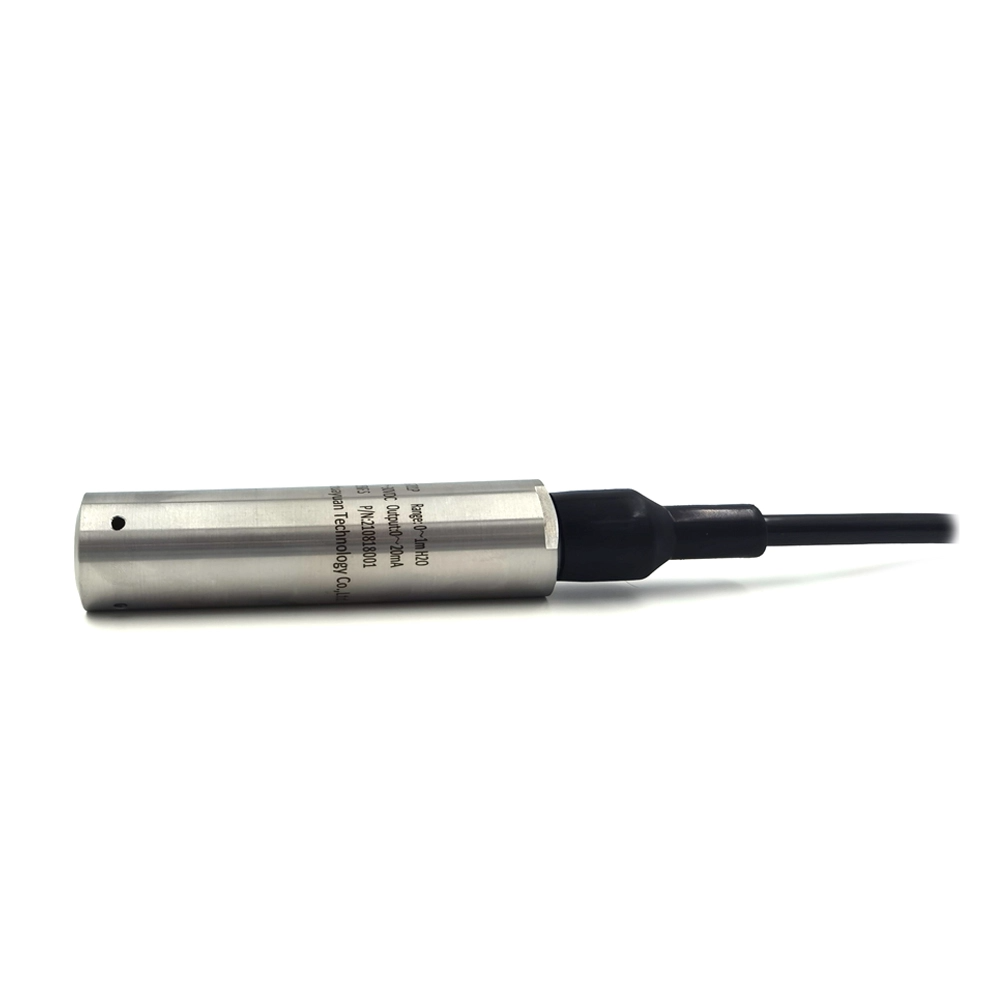
Liquid level sensors are essential devices used to monitor and control the levels of liquids in various containers, tanks, or vessels. These sensors are crucial in a wide range of industries, from manufacturing to food and beverage production, ensuring processes run smoothly, efficiently, and safely. By accurately measuring the amount of liquid present, liquid level sensors help prevent overflows, improve inventory management, and protect equipment from potential damage.
In this article, we will dive into the specifics of liquid level sensors, exploring their operation, different types, applications, and the factors to consider when selecting one for your needs.
Understanding Liquid Level Sensors: A Core Overview
Liquid level sensors, as the name suggests, are devices designed to detect the amount of liquid in a given space. Whether in a tank, pipe, or any other container, these sensors offer real-time data that is critical for automation, maintenance, and monitoring.
The primary function of liquid level sensors is to measure the height or depth of liquid inside a container. This data is then used to trigger alarms, activate pumps, or send notifications to operators for necessary actions. Liquid level sensors are integral in industries that require constant liquid monitoring, such as water treatment facilities, food processing plants, and chemical industries.
Why are Liquid Level Sensors Important?
Liquid level sensors help streamline operations and prevent costly mishaps like spillage, overflow, and dry running of pumps. In some industries, having precise control over liquid levels can mean the difference between high-quality production and wasted resources. Additionally, in hazardous environments, these sensors play a critical role in ensuring safety and compliance with environmental regulations.

How Liquid Level Sensors Work
Liquid level sensors operate using various principles of physics, such as capacitance, resistance, and reflection. The core idea behind all liquid level sensors is their ability to detect a change in the physical state of the liquid (whether it’s rising, falling, or at a certain threshold).
Here are some common working principles of liquid level sensors:
Capacitance: The sensor measures the capacitance change as the liquid level changes. This is based on the ability of the liquid to affect the electrical field between two electrodes.
Ultrasonic: Ultrasonic waves are emitted and bounced back from the liquid surface. The time it takes for the waves to return helps determine the liquid level.
Optical: An optical sensor detects the liquid level through light. If the liquid blocks the light path, the sensor registers a change.
Float Mechanism: A float rises and falls with the liquid level, triggering switches or sensors to provide a signal.
Types of Liquid Level Sensors
Capacitive Liquid Level Sensors
Capacitive liquid level sensors are commonly used in applications requiring high precision. These sensors work by measuring changes in capacitance when the liquid level rises or falls. As the liquid alters the electric field between two electrodes, the capacitance increases or decreases, which is then converted into a readable value. These sensors are ideal for applications where non-contact measurement is necessary.
Advantages:
Highly accurate and sensitive
Works well with a wide range of liquids
Suitable for measuring conductive and non-conductive liquids
Applications:
Ultrasonic Liquid Level Sensors
Ultrasonic sensors use sound waves to measure the distance between the sensor and the liquid surface. The sensor sends out ultrasonic pulses, which reflect off the liquid surface, and the sensor measures the time it takes for the pulse to return. This time is used to calculate the liquid level.
Advantages:
Applications:
Water treatment plants
Waste management
Oil and gas industry
Optical Liquid Level Sensors
Optical sensors use light to detect liquid levels. When the liquid level rises to a certain point, it blocks the sensor's light source, signaling that the desired level has been reached. These sensors are highly reliable and provide rapid responses.
Advantages:
Applications:
Float-based Liquid Level Sensors
One of the oldest and most common types of liquid level sensors is the float-based sensor. These sensors operate with a buoyant float that moves up and down with the liquid level. As the float moves, it either activates mechanical switches or transmits signals to a sensor that then converts the movement into data.
Advantages:
Applications:
Water tanks
Fuel tanks
Industrial reservoirs
Applications of Liquid Level Sensors
Industrial Use Cases
Liquid level sensors are heavily relied upon in industries that involve large-scale production or processes involving hazardous materials. For example, in the oil and gas industry, these sensors ensure that tanks are filled properly without the risk of overflows, while in the chemical industry, they help monitor tanks containing potentially dangerous substances.
Table 1: Common Industrial Applications
| Industry | Liquid Level Sensor Application |
| Oil & Gas | Tank monitoring, spill prevention |
| Water Treatment | Managing water levels in treatment plants |
| Food & Beverage | Monitoring ingredient levels |
| Pharmaceutical | Ensuring precise quantities in manufacturing |

Consumer Electronics and Household Devices
From washing machines to coffee makers, liquid level sensors are also found in everyday appliances. These sensors help in providing users with real-time feedback about the liquid levels, ensuring optimal performance and avoiding damage to the devices.
Automotive and Aerospace Applications
In vehicles, liquid level sensors monitor fluids such as oil, coolant, and fuel. They send feedback to the driver or onboard systems to indicate if a fluid level is too low. Similarly, in aerospace, these sensors ensure that critical fluid levels are maintained for the safe operation of aircraft.
Advantages of Using Liquid Level Sensors
Enhanced Efficiency: By monitoring liquid levels, businesses can automate processes, reducing manual intervention and optimizing operations.
Cost Savings: Preventing overflows, leaks, or equipment failure can save companies from costly repairs and product loss.
Safety: In industries handling hazardous or toxic liquids, liquid level sensors prevent overflows, spillages, and other dangerous situations.
Versatility: Liquid level sensors are available in various types, each tailored for specific environments and liquid properties.
Factors to Consider When Choosing a Liquid Level Sensor
1. Liquid Properties
The type of liquid (viscosity, temperature, chemical composition) affects the choice of sensor. For example, ultrasonic sensors are suitable for clean water, while capacitive sensors work well for oils and other chemicals.
2. Measurement Range
Different sensors come with varying measurement ranges. For large tanks, ultrasonic or float-based sensors are typically preferred due to their ability to measure over long distances.
3. Environmental Conditions
Consider whether the sensor will be exposed to extreme temperatures, pressure, or corrosive substances. Ensure the sensor you select can withstand these conditions.
Conclusion
Liquid level sensors are invaluable tools across a wide array of industries. They provide critical data that helps improve safety, efficiency, and cost-effectiveness. With different sensor types available, businesses can choose the one that best suits their specific needs, ensuring accurate and reliable liquid level monitoring. Understanding the working mechanisms, types, applications, and advantages of these sensors will help you make an informed decision, whether you're looking to optimize industrial processes, protect sensitive equipment, or maintain daily operations.
FAQ
Q1: What is the most accurate type of liquid level sensor?
A1: Capacitive and ultrasonic sensors are considered highly accurate for most applications, with ultrasonic sensors providing accuracy over longer distances.
Q2: Can liquid level sensors work with all types of liquids?
A2: Different sensors are suited to different liquids. Ultrasonic sensors, for example, are effective with clean liquids, while capacitive sensors can handle more viscous or chemical liquids.
Q3: How do float-based liquid level sensors work?
A3: Float-based sensors operate by using a buoyant float that moves up or down with the liquid level. This movement either activates switches or sends a signal to the monitoring system.
Q4: Where are liquid level sensors typically used in the consumer market?
A4: In household appliances like washing machines, dishwashers, and water heaters, liquid level sensors are used to monitor and control the water levels for optimal performance.
Q5: Are liquid level sensors expensive to maintain?
A5: Most liquid level sensors, particularly float-based types, are relatively low maintenance. However, more complex types such as ultrasonic or capacitive sensors may require periodic calibration to ensure accuracy.