Introduction
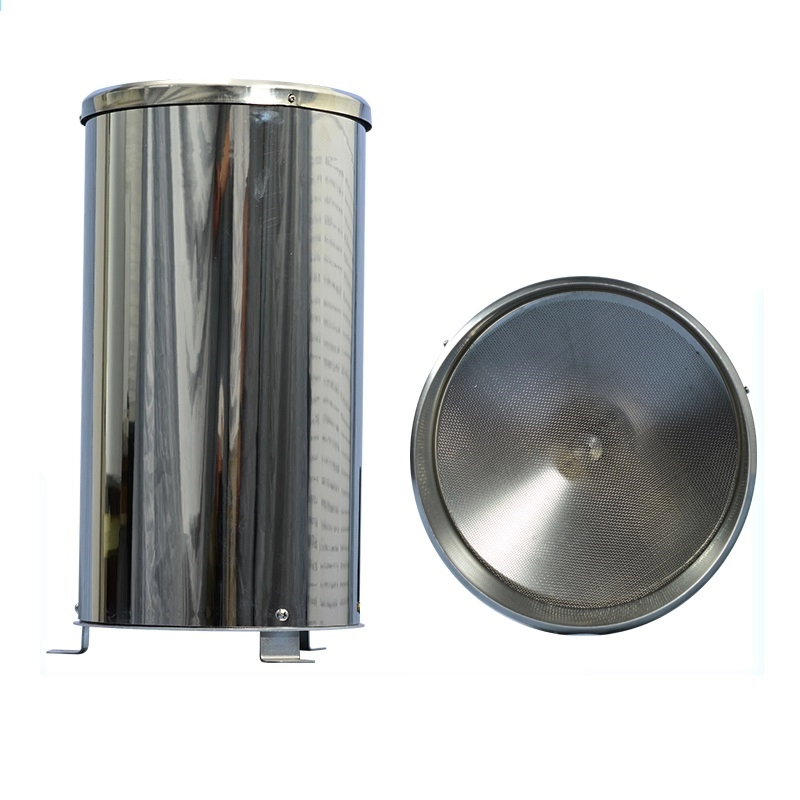
Accurate rainfall measurements are essential for agriculture, gardening, and weather forecasting. A reliable rain gauge helps farmers optimize irrigation and helps gardeners track water usage. Even small errors in measurements can have significant consequences, especially in crop irrigation. In this article, we will explore how to determine if your rain gauge is accurate. You'll learn about different types of rain gauges and factors that influence their performance.
Why Is Accurate Rain Gauge Measurement Crucial?
Importance for Irrigation Management
An accurate rain gauge allows farmers to determine how much water has been received during rainfall events, helping them avoid over-irrigation or under-irrigation. Over-irrigation wastes water and increases costs, while under-irrigation can harm crops. For example, a precise rain gauge can help a farmer adjust irrigation schedules according to real-time rainfall data, ensuring crops receive optimal water levels without wasting resources.
Impact on Weather Forecasting and Research
Meteorologists rely on rain gauges to monitor rainfall patterns and enhance weather forecasting models. Inaccurate data can skew weather predictions, especially in areas with irregular precipitation. Accurate rain measurements also contribute to climate research, as precise data helps identify long-term weather trends and anomalies, informing studies on climate change and its impacts.
Daily Usage for Homeowners and Gardeners
For homeowners and gardeners, an accurate rain gauge offers the ability to track how much rain has fallen, helping to adjust watering schedules accordingly. It ensures that plants get just the right amount of water, preventing both over-watering and drought stress. An inaccurate rain gauge can lead to wasted water, higher bills, and unhealthy plants.
Types of Rain Gauges and Their Accuracy
Manual Rain Gauges
Manual rain gauges are simple devices consisting of a graduated cylinder with a wide mouth to collect rain. They are usually very accurate when used correctly, as they directly measure rainfall in inches or millimeters. However, issues such as evaporation or delayed readings can affect their accuracy. To ensure precise readings, it’s important to check the gauge immediately after a rain event.
Tipping Bucket Rain Gauges
Tipping bucket rain gauges use a small bucket that tips once it collects a predetermined amount of water, often 0.1mm or 0.01 inches. They are popular in automated systems because they provide continuous measurements. However, they have some accuracy challenges, especially during heavy rainfall, where the bucket may overflow or under-catch the rain. In freezing conditions, they can also fail to collect snow or ice correctly.
Electronic Rain Gauges
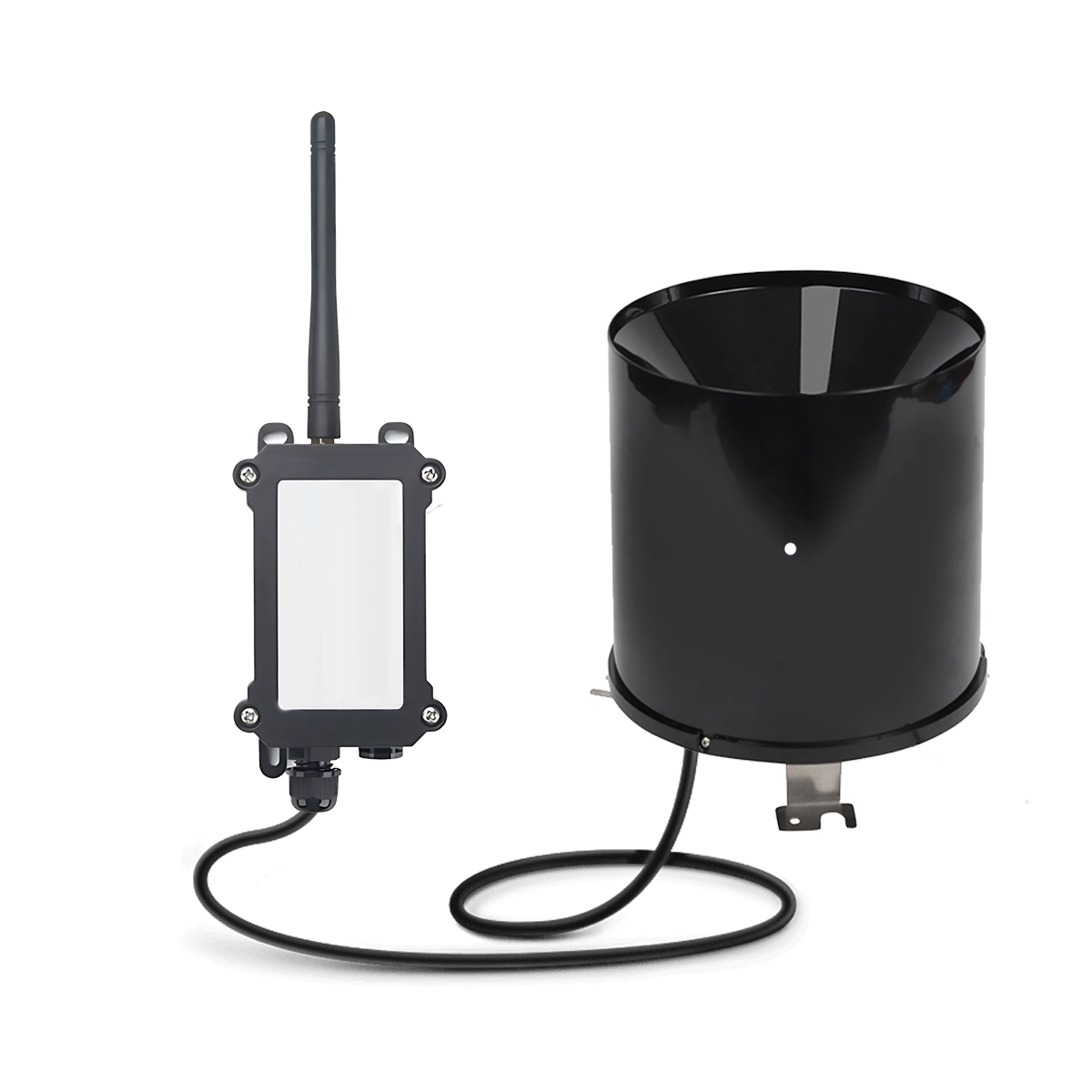
Electronic rain gauges measure precipitation using sensors, providing real-time data that is often transmitted wirelessly to monitoring stations. While they are convenient, they are prone to errors like debris clogging the funnel, sensor malfunctions, or calibration drift over time. Regular maintenance and recalibration are essential to maintain their accuracy.

Factors That Affect Rain Gauge Accuracy
Placement of the Rain Gauge
For optimal accuracy, it’s crucial to place the rain gauge in an open area away from buildings, trees, or other structures that may block or deflect rainfall. The gauge should also be positioned on level ground to ensure that the water is collected accurately. If the rain gauge is near any obstacles, it could receive less rain than what actually falls in the area, leading to inaccurate readings.
Environmental Factors
Environmental factors such as wind and evaporation can significantly impact the accuracy of rain gauges. Wind can blow rain out of smaller gauges or cause it to be unevenly distributed in larger gauges. To prevent evaporation, which can lead to under-reporting, some gauges include a cover to reduce exposure to the sun and wind. Additionally, heavy rainfall or a sudden downpour can overwhelm small gauges, causing overflow and inaccurate measurements.
Type of Rainfall
Different types of rainfall can affect the accuracy of rain gauges. Light drizzle may not be captured by large collection areas, while heavy rain can overwhelm smaller gauges. In regions with frequent heavy rainfall, larger gauges with a higher capacity are recommended. Knowing the typical rainfall patterns in your area can help you choose the right rain gauge to avoid errors.
How to Test the Accuracy of Your Rain Gauge
Performing a Manual Test
To test the accuracy of your rain gauge, use a known volume of water and measure the amount the gauge collects. For example, if you pour 1 inch of water into the rain gauge, the reading should also be 1 inch. If the gauge measures inaccurately, it may need recalibration or maintenance.
Calibration with a Control Gauge
One of the best ways to ensure the accuracy of your rain gauge is to compare its readings with a control or reference rain gauge known to be accurate. Place both gauges side by side during a rainfall event and compare their measurements. Any discrepancies should be addressed by adjusting the calibration of your rain gauge.
Using Rain Simulators for Calibration
Rain simulators are devices that artificially generate rainfall at a controlled rate. Using a rain simulator for calibration allows you to test your rain gauge in a controlled environment, ensuring that it accurately measures the rainfall rate. This method is particularly useful for automated rain gauges, providing a precise way to evaluate their performance and accuracy.

Maintaining Your Rain Gauge for Accuracy
Regular Cleaning
Regular cleaning is essential for maintaining the accuracy of your rain gauge. Over time, debris like leaves, dust, or pollen can clog the funnel or tipping mechanism, leading to inaccurate measurements. Clean the gauge at least once or twice a year, or more frequently if you live in an area with heavy vegetation.
Checking for Wear and Tear
Rain gauges are exposed to harsh environmental conditions, which can lead to wear and tear over time. Check your rain gauge for cracks, rust, or damaged components that may affect its performance. If you notice any significant damage, replace the affected parts or invest in a new gauge to maintain accurate measurements.
Ensuring Proper Mounting
Proper installation and mounting of your rain gauge are crucial for accuracy. The gauge should be securely attached to a post or stand, ensuring it remains upright and stable. Strong winds or improper mounting can cause the gauge to tip or sway, leading to inaccurate readings. Make sure the gauge is in a sheltered location, but still exposed to rainfall.
Common Rain Gauge Errors and How to Fix Them
Overflows and Under-catch Issues
Smaller rain gauges may overflow during heavy rainfall, causing them to miss some of the precipitation. Conversely, larger gauges can under-catch light rain, as the water may spread out before it’s collected. To avoid this, choose a rain gauge with the appropriate capacity for your typical rainfall conditions. For heavy rain, a larger gauge is recommended, while a smaller gauge may work better for light rainfall.
Problems with Tipping Mechanisms
Tipping bucket rain gauges are prone to issues such as debris blocking the tipping mechanism or wear over time. Regularly inspect the bucket for blockages and ensure the tipping arm is free to move. If the gauge consistently under-reports rainfall, check the mechanism for any malfunctioning parts and replace them if necessary.
Calibration Drift in Electronic Rain Gauges
Electronic rain gauges may experience calibration drift over time, especially if they are exposed to extreme temperatures or heavy use. To prevent this, periodically recalibrate the gauge using a control rain gauge or rain simulator. This will help ensure the electronic rain gauge remains accurate and reliable.
How to Choose the Right Rain Gauge for Your Needs
Factors to Consider in Selection
When selecting a rain gauge, consider factors such as the size of the collection area, the resolution of measurements, and the material durability. A larger collection area reduces the impact of wind and ensures more accurate measurements. Additionally, choose a gauge made from durable, UV-resistant materials that can withstand outdoor conditions.
Manual vs. Automated Gauges
When choosing the right rain gauge, manual and automated rain gauges each have their pros and cons. The table below compares both types in terms of applications, considerations, performance, technical specifications, and operational guidelines to help you make an informed decision.
| Category | Manual Rain Gauges | Automated Rain Gauges |
| Application | Suitable for home gardening, small-scale agriculture, personal use. | Ideal for large farms, weather monitoring stations, and research purposes that require real-time data. |
| Operation | Requires manual readings, and rainfall data is recorded by the user. | Automatically records rainfall data and transmits it in real-time without manual intervention. |
| Accuracy | Highly dependent on timely readings; delay may lead to errors due to evaporation. | High accuracy but can be affected by sensor malfunctions, clogging, or equipment failure. |
| Technical Specifications | Simple scale with units (inches or millimeters) directly showing rainfall. | Equipped with sensors and data loggers to accurately record and transmit data, adaptable to various environments. |
| Durability | Made of plastic or glass, generally durable but requires regular cleaning. | Built with high-strength materials, durable but may be affected by extreme weather conditions over time. |
| Maintenance & Cleaning | Requires regular cleaning, especially to remove accumulated water and debris. | Requires periodic maintenance and calibration to avoid clogging and sensor issues; cleaning and calibration are more complex. |
| Cost | Inexpensive, ideal for those on a budget. | Higher cost, especially for high-end models with sensors. |
| Suitable Users | Ideal for users with a limited budget and no need for real-time data. | Best suited for those who need continuous, precise rainfall data, especially for large-scale agriculture and research projects. |
| Advantages | Simple structure, easy to operate, cost-effective for low-demand applications. | Highly automated, collects and stores real-time data, reduces manual intervention, suitable for professional needs. |
| Disadvantages | Data reading may be affected by environmental factors (e.g., evaporation), requires timely recording. | Expensive, may encounter technical failures (e.g., sensor issues, data loss). |
Tip: If you're on a budget and mainly using the rain gauge for home gardening or small-scale agriculture, a manual rain gauge is a great option. For large-scale agricultural data management and real-time monitoring, investing in an automated rain gauge is more suitable.
Recommended Models and Brands
If you're looking for a reliable and accurate rain gauge, consider models from reputable brands like Taylor or RainWise. These brands offer a variety of gauges designed for different needs, from home use to professional weather stations. For those on a budget, consider manual rain gauges with clear, easy-to-read scales.
Conclusion
Accurate rain gauge measurements are crucial for effective irrigation, weather forecasting, and gardening. Regular testing, calibration, and maintenance ensure reliable data for informed decision-making. By selecting the right rain gauge and maintaining it properly, you can make water-efficient choices. Investing in a high-quality rain gauge, such as those offered by BGT Hydromet, ensures consistent, precise rainfall data, providing long-term value for your agricultural or meteorological needs.
FAQ
Q: What is a rain gauge and how does it work?
A: A rain gauge is a tool used to measure the amount of rainfall in a specific area. It collects rainwater, and the amount is measured using a scale marked in millimeters or inches.
Q: How can I tell if my rain gauge is accurate?
A: To test your rain gauge’s accuracy, perform a manual test by measuring a known volume of water and comparing it with the gauge's reading. Regular calibration ensures precise measurements.
Q: Why is it important to have an accurate rain gauge?
A: Accurate rain gauges are essential for proper irrigation management, weather forecasting, and scientific research. They ensure that water usage is optimized and help predict weather patterns accurately.
Q: Can environmental factors affect my rain gauge’s accuracy?
A: Yes, factors like wind, placement near obstacles, and evaporation can affect rain gauge accuracy. Ensure the gauge is placed in an open, level area to minimize errors.
Q: How often should I calibrate my rain gauge?
A: It’s recommended to calibrate your rain gauge at least once a year, or more frequently depending on usage and weather conditions. Regular calibration ensures accurate readings over time.