Introduction
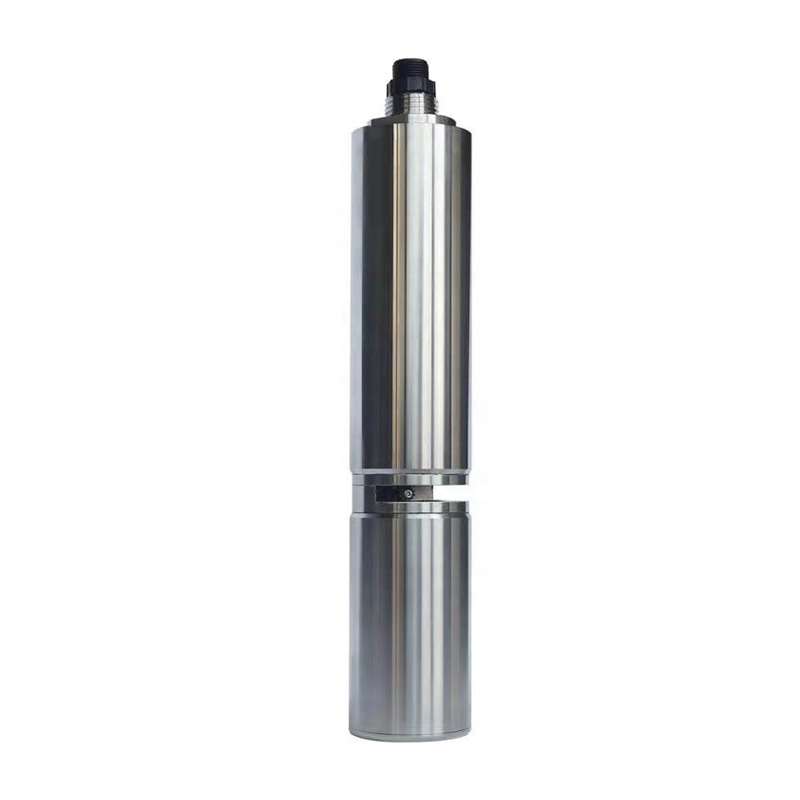
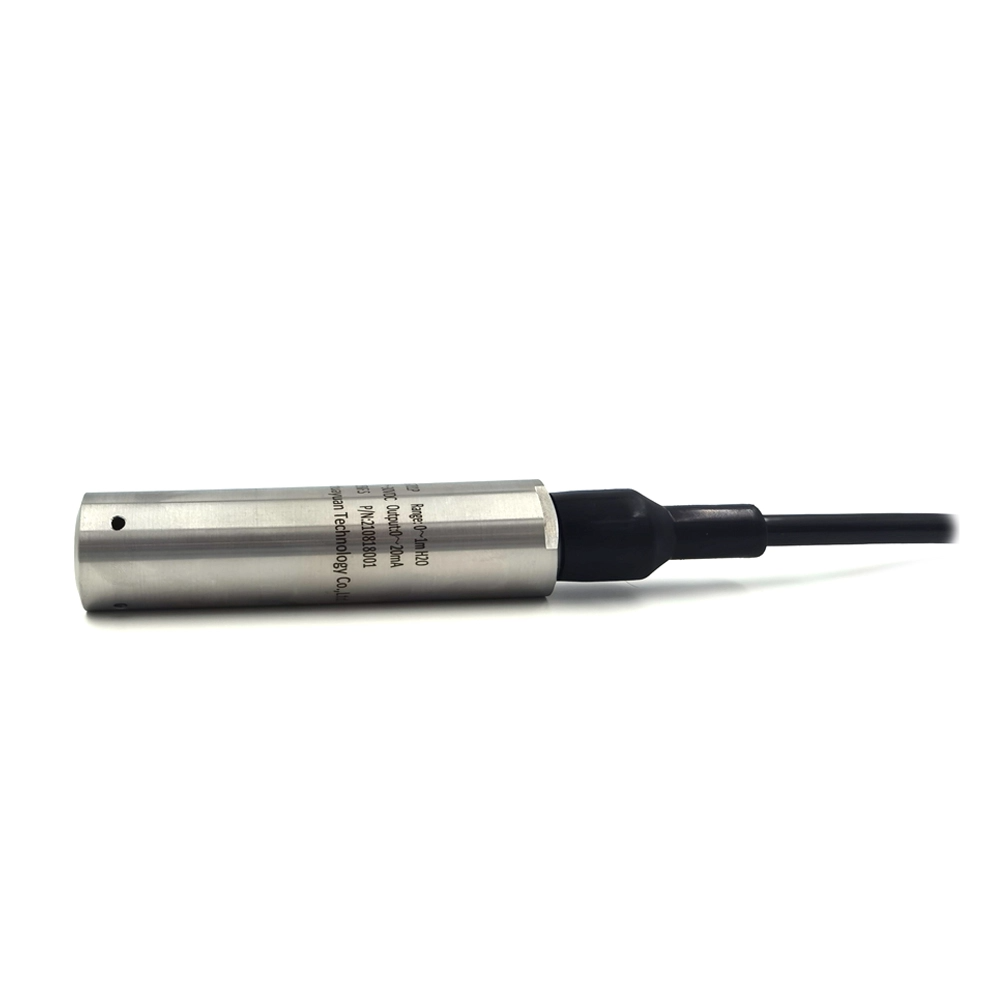
Water quality is essential for the health of our environment and humans. It impacts aquatic ecosystems and the water we use. To ensure safe and clean water, monitoring key measures like pH, DO, turbidity, temperature, and conductivity is crucial. In this article, you will learn how water quality sensors help measure these parameters for better water management.
pH: Understanding Water Acidity and Alkalinity
What is pH?
pH is a measure of how acidic or alkaline water is, ranging from 0 to 14, with 7 being neutral. A lower pH indicates acidic water, while a higher pH indicates alkaline water. pH levels are essential in determining the chemical balance of water and its ability to support various aquatic life forms. If the pH strays too far from neutral, it can cause harmful chemical reactions, such as the release of toxic metals like copper and lead, which can be dangerous to aquatic ecosystems and even human health if consumed.
Ideal pH Levels for Water Quality
Most aquatic organisms thrive in water with a pH level between 6.5 and 8.5. Outside of this range, the health of aquatic species can be negatively affected. For instance, acidic water (pH below 6.5) can harm fish gills and disrupt the reproductive processes of many species. On the other hand, highly alkaline water (pH above 8.5) can cause similar stress, interfering with the survival of sensitive organisms. Thus, maintaining the ideal pH range is vital for the preservation of aquatic biodiversity and water quality.
Role of Water Quality Sensors in pH Monitoring
Water quality sensors are essential tools for monitoring pH levels in real time. They work by measuring the concentration of hydrogen ions in water, offering precise readings that can be used to adjust water conditions when necessary. Regular pH monitoring using sensors allows for the early detection of chemical imbalances and ensures that corrective measures can be taken before significant damage to the ecosystem or water infrastructure occurs. This technology helps industries, municipalities, and environmental groups maintain optimal water conditions.
Dissolved Oxygen (DO): Essential for Aquatic Life
What is Dissolved Oxygen (DO)?
This table summarizes the key technical indicators for measuring Dissolved Oxygen (DO), including measurement methods, application areas, precautions, and common technical parameters, to better understand the importance of DO in water quality monitoring.
| Technical Indicator | Measurement Methods | Application Areas | Precautions | Technical Parameters |
| DO Concentration | Electrochemical sensors, Optical sensors | Water quality monitoring, Aquaculture, Wastewater treatment, Environmental protection | DO levels below 5 mg/L negatively affect aquatic life | Units: mg/L or percentage saturation |
| DO Saturation | Winkler titration, Oxygen electrode method | Source water monitoring, Pollution detection, Water treatment | Regular sensor calibration ensures data accuracy | Range: 0-200% saturation |
| Measurement Accuracy | Optical sensors | Real-time DO monitoring, used in water safety assessments | Temperature and pressure fluctuations may affect accuracy | Accuracy: ±0.1 mg/L |
| Response Time | Optical sensors, Electrochemical sensors | Fast response to water quality changes, especially in dynamic environments | High contamination levels may delay response time | Response time: Typically 5-15 seconds |
Tip:Regularly calibrate your DO sensors to maintain data accuracy and ensure timely detection of water quality issues.
How DO Levels Affect Ecosystem Health
When DO levels drop below 5 mg/L, aquatic organisms begin to experience stress, and levels below 2 mg/L are often lethal for most fish. Low DO is commonly caused by organic pollution, such as decaying plant material or sewage, which consumes oxygen as it decomposes. Moreover, eutrophication—excessive nutrients from agricultural runoff or sewage—can lead to algal blooms, which further deplete oxygen as the algae decay. Regular DO monitoring helps detect these imbalances and guide interventions to improve water quality.
Measuring DO with Water Quality Sensors
Water quality sensors designed to measure DO typically use electrochemical or optical techniques to provide accurate, real-time data. These sensors are essential tools in environmental monitoring, aquaculture, and wastewater treatment, where managing oxygen levels is critical. In aquaculture, for example, monitoring DO ensures that fish and other aquatic organisms receive enough oxygen for healthy growth. Additionally, these sensors help industries avoid potential damage to equipment and infrastructure caused by oxygen depletion in water systems.

Turbidity: Clarity of Water and Its Implications
What is Turbidity?
Turbidity refers to the cloudiness or haziness of water caused by suspended particles such as silt, algae, or pollutants. High turbidity can be an indicator of pollution, such as runoff from construction sites, agricultural fields, or industrial discharges. It affects the water's ability to allow light to penetrate, which can disrupt the growth of aquatic plants. Additionally, turbid water is often associated with pathogens, as bacteria can attach to the particles, making it a risk for human health if consumed.
Effects of High Turbidity on Water Health
High turbidity levels can reduce light penetration in water, which in turn limits photosynthesis in submerged aquatic plants. This disruption can lead to a decrease in oxygen production, which is crucial for maintaining a healthy aquatic ecosystem. Furthermore, high turbidity can increase water temperature by absorbing more heat. This creates a vicious cycle where increased temperatures reduce dissolved oxygen levels, further harming aquatic life. Turbidity also complicates water treatment processes, making it more difficult and costly to ensure safe drinking water.
Turbidity Sensors and Their Applications
Turbidity sensors use light scattering to measure the concentration of suspended particles in water. These sensors are crucial in water treatment facilities, where monitoring turbidity ensures that water meets quality standards for consumption. Additionally, environmental monitoring programs rely on turbidity sensors to assess the health of rivers, lakes, and oceans, providing valuable data for detecting pollution sources. The sensors are also employed in industries such as aquaculture, where they help maintain water quality for optimal fish health and growth.
Temperature: Influencing Aquatic Ecosystems
The Importance of Water Temperature in Ecosystems
Water temperature plays a significant role in determining the health and behavior of aquatic organisms. It affects metabolic rates, reproduction cycles, and overall ecosystem dynamics. Colder water can hold more dissolved oxygen, which is essential for aquatic life, while warmer water holds less. Many species of fish and invertebrates have specific temperature ranges in which they can thrive. Temperature changes, whether due to seasonal shifts or human activities like industrial discharge, can disrupt the delicate balance of aquatic ecosystems, stressing organisms and leading to reduced biodiversity.
Thermal Pollution and Its Effects
Thermal pollution occurs when industries release heated water into nearby water bodies, often raising the temperature by several degrees. This can result in significant changes to the local ecosystem, including reduced oxygen solubility and stress on species that rely on cooler waters. Such temperature shifts can alter the migration patterns of fish, disturb breeding seasons, and cause the death of temperature-sensitive species. Monitoring water temperature is therefore vital for preventing thermal pollution and ensuring the stability of aquatic ecosystems.
Temperature Sensors and Monitoring Water Quality
Temperature sensors are used to continuously monitor water temperature and detect any sudden fluctuations that may be harmful to aquatic life. These sensors are vital tools for regulating water systems in industries such as power plants and wastewater treatment facilities, where temperature changes can affect water quality and machinery. Real-time temperature monitoring is also essential in managing aquatic habitats, ensuring that species thrive within their optimal temperature range.

Conductivity: Measuring Total Dissolved Solids (TDS)
What is Electrical Conductivity (EC)?
This table demonstrates the measurement methods of Electrical Conductivity (EC) and its impact on water quality assessment. By comparing the EC ranges of different water types, you can better understand the concentration of dissolved solids and potential sources of contamination.
| Water Type | EC Range (µS/cm) | Dissolved Substances | Influencing Factors | Technical Parameters |
| Pure Rainwater | <15 µS/cm | Very few dissolved solids | Highly dependent on weather and environmental conditions | EC: <15 µS/cm |
| Freshwater Rivers | 0-800 µS/cm | Sodium, Calcium, Magnesium, Chlorides, Bicarbonates | Geological conditions, climate, seasonal changes | EC: 0-800 µS/cm |
| Saline Water | >4,800 µS/cm | Sea salts, minerals, and other dissolved substances | Salinity changes, industrial pollution | EC: >4,800 µS/cm |
| Industrial Wastewater | 500-5,000 µS/cm | High concentrations of dissolved solids, Heavy metals, Salts | Pollution sources (agricultural runoff, industrial discharge) | EC: 500-5,000 µS/cm |
| Agricultural Water | 1,000-3,000 µS/cm | Mineral salts, Pesticide residues, Fertilizers | Long-term irrigation increases TDS concentration | EC: 1,000-3,000 µS/cm |
Tip:High conductivity values can help quickly identify pollutants in water, especially those from industrial and agricultural sources, allowing for timely remediation efforts.
Conductivity as an Indicator of Water Contamination
High conductivity levels can signal the presence of pollutants like agricultural runoff or industrial effluent, which introduce excess salts, metals, and other contaminants into the water. For instance, high conductivity can indicate pollution from road salts, fertilizers, or wastewater. Monitoring conductivity helps identify water contamination early, allowing for prompt action to mitigate its effects on ecosystems and human health.
Conductivity Sensors in Water Quality Testing
Conductivity sensors measure the electrical conductivity of water, providing real-time data that can be used to assess water quality. These sensors are widely used in environmental monitoring, wastewater treatment, and industrial applications. They are crucial for detecting contamination and ensuring that water bodies remain safe for both aquatic life and human use. By tracking conductivity levels, water quality sensors offer valuable insights into the health of water systems and help manage pollution risks.
Other Important Water Quality Indicators: Nutrients and Microbial Contaminants
Nutrients (Nitrates and Phosphates)
Excessive nutrients such as nitrates and phosphates, often from fertilizers and wastewater, can lead to harmful algal blooms. These blooms consume large amounts of oxygen, leading to hypoxic or anoxic conditions that can harm fish and other aquatic life. Monitoring nutrient levels is critical for preventing eutrophication, which can severely degrade water quality and disrupt aquatic ecosystems.
Microbial Contamination
Microbial contamination, including bacteria like E. coli, can pose significant health risks, especially in drinking water. High microbial levels can lead to waterborne diseases, such as cholera and dysentery, which are transmitted through contaminated water. Monitoring microbial contamination is essential for ensuring water safety and protecting public health.
How Water Quality Sensors Monitor These Indicators
Water quality sensors are equipped to detect various microbial contaminants and nutrient levels. Sensors that use technologies like PCR and rapid test kits can identify pathogens in water, providing early warnings to prevent outbreaks of waterborne diseases. Additionally, nutrient sensors help measure the concentration of nitrates and phosphates, offering critical data to prevent pollution and maintain safe water quality.
Conclusion
The five key measures of water quality—pH, Dissolved Oxygen, Turbidity, Temperature, and Conductivity—are essential in understanding the health of water bodies and their ecosystems. Using water quality sensors to monitor these parameters ensures safe water for various purposes. Companies like BGT Hydromet provide advanced water quality sensors that play a vital role in real-time water monitoring. Their products support sustainable water management, ensuring clean and safe water for all.
FAQ
Q: What are the five key measures of water quality?
A: The five key measures of water quality are pH, Dissolved Oxygen (DO), Turbidity, Temperature, and Conductivity. These parameters help assess the overall health of water and its ability to support life.
Q: How do water quality sensors measure pH?
A: Water quality sensors measure pH by detecting the concentration of hydrogen ions in water. They provide real-time data, helping to maintain optimal water conditions for both human use and aquatic life.
Q: Why is monitoring dissolved oxygen (DO) important for water quality?
A: Monitoring DO is crucial because it indicates the amount of oxygen available for aquatic organisms. Low DO levels can lead to poor water quality, affecting ecosystems. Water quality sensors help ensure adequate oxygen levels for a healthy environment.
Q: How does turbidity affect water quality?
A: High turbidity, caused by suspended particles, reduces light penetration and oxygen levels in water. It can also indicate pollution. Water quality sensors measure turbidity to ensure water remains safe and clean.
Q: What role do water quality sensors play in temperature monitoring?
A: Water quality sensors track temperature fluctuations, which directly affect dissolved oxygen levels and aquatic life. These sensors help detect thermal pollution, ensuring that water remains within a safe temperature range for ecosystems.
Q: Can conductivity sensors detect water contamination?
A: Yes, conductivity sensors can detect high levels of dissolved solids in water, often indicating contamination from industrial or agricultural runoff. Monitoring conductivity helps ensure the purity and safety of water resources.
Q: How can water quality sensors improve water management?
A: Water quality sensors provide real-time data on key water parameters, enabling timely interventions to improve water management practices. This ensures safe, sustainable water for consumption, agriculture, and ecosystems.