For villages near rivers and low-lying areas, heavy rainfall can quickly become a serious threat. Limited infrastructure and delayed warnings often leave residents with little time to react.
Community flood warning systems help close this gap by connecting flood monitoring sensors, automated alarms, and local emergency teams. Their effectiveness depends not only on reliable technology but also on how well communities prepare and respond.
Key Components of a Community Flood Monitoring System
Community flood monitoring systems combine sensors, communication networks, data analysis, and emergency response tools to detect potential flooding and deliver timely warnings.
Sensors and Data Collection Devices
Sensors collect environmental measurements that help identify developing flood risks.
Sensor Type | Main Function |
Water Level Sensors | Monitor rising water levels in rivers and drainage channels |
Rain Gauges | Measure rainfall intensity and accumulation |
Flow Meters | Track river or stream velocity and flow |
Soil Moisture Sensors | Detect soil saturation and potential runoff conditions |
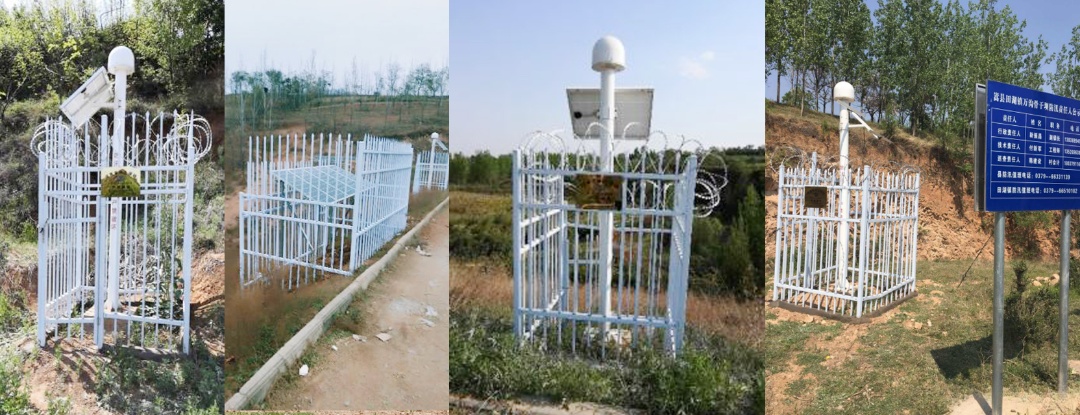
These devices provide continuous monitoring data. Durable, weather-resistant equipment is particularly important in flood-prone environments.
Communication Networks for Real-Time Data Transmission
Reliable communication allows monitoring stations to transmit measurements to processing centers.
Common technologies include cellular networks such as GSM and LTE, radio frequency (RF) links, and satellite connections for remote locations.
Internet of Things (IoT) platforms connect monitoring devices and support automated data sharing.
Backup communication methods help maintain data transmission when primary networks fail during severe weather.
Data Analysis and Flood Prediction Models
Collected sensor measurements must be analyzed to estimate potential flood risks.
Different analytical approaches serve specific purposes:
Hydrological Models: Simulate water movement and river behavior.
Statistical Models: Evaluate historical flood patterns.
Machine Learning Algorithms: Identify relationships in monitoring data and support forecasting.
These methods help estimate potential flood timing, severity, and affected locations, allowing emergency teams to prepare appropriate responses.
Integration with Local Emergency Services
Effective flood monitoring requires coordination between monitoring systems and local emergency authorities.
When dangerous conditions are detected, alerts can be transmitted to emergency responders and community leaders. Automated flood alarms may also activate according to predefined thresholds.
Shared monitoring platforms support evacuation planning, rescue coordination, and timely communication with residents.

How Community Flood Warning Systems Work
Detection of Rising Water Levels
Community flood warning systems continuously monitor water levels in rivers, streams, and drainage channels.
When measurements reach predefined thresholds, the system identifies a potential flood risk. Rainfall and soil moisture information can provide additional context.
Early detection gives local authorities and residents more time to prepare for possible flooding.
Triggering Flood Alarm Systems
Flood alarms activate when monitoring measurements exceed established warning limits.
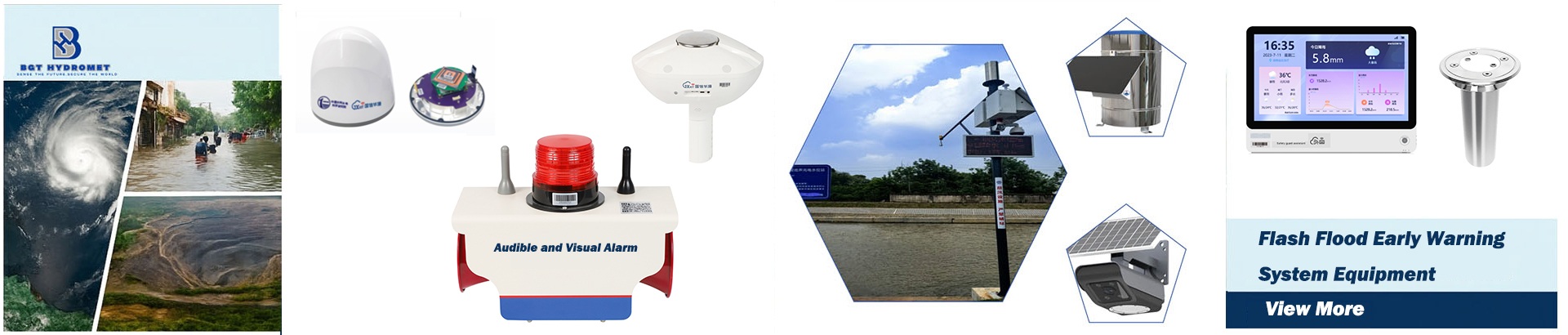
Depending on the system configuration, alerts may trigger sirens, flashing lights, or digital notifications.
Automated warning functions help reduce delays between detecting dangerous conditions and notifying emergency authorities.
Dissemination of Warnings to Residents
Warnings must reach residents through clear and accessible communication channels.
The main alert methods include:
Sirens and Audible Alarms: Warn people outdoors or in public areas.
SMS and Mobile Notifications: Deliver warnings and safety instructions directly to residents.
Flashing Lights: Provide visible alerts in noisy environments or during nighttime.
Local Broadcasts and Social Media: Share updates with wider audiences.
Using several channels improves warning coverage, particularly when some residents lack access to mobile devices or reliable internet connections.
Role of Community Participation in Warning Effectiveness
Community involvement determines how effectively residents respond to flood warnings.
Training sessions and evacuation drills help people recognize alarm signals and understand appropriate safety actions.
Local volunteers can also assist vulnerable residents and share warnings in hard-to-reach areas.
Community feedback helps authorities identify communication problems and improve emergency procedures.
Tip: Conduct regular flood alarm tests and community drills so residents understand warning signals and evacuation procedures.
Types of Flood Alarm Systems Used in Flood-Prone Villages
Flood-prone villages use different alarm technologies to reach residents under varying conditions. Combining several methods improves the reliability of emergency communication.
Audible Alarms and Sirens
Sirens and audible alarms provide immediate warnings across public areas.
Their loud signals can reach residents outdoors, making them particularly useful in rural communities with limited mobile coverage.
Distinct alarm patterns can also help residents recognize flood warnings and respond quickly.
Mobile Alerts and SMS Notifications
SMS messages and mobile applications deliver flood warnings directly to residents.
Unlike sirens, mobile notifications can provide detailed information, including flood severity, expected timing, and recommended safety actions.
These systems can reach large numbers of users efficiently, although delivery depends on network availability.
Visual Warning Systems Such as Flashing Lights
Flashing lights and warning beacons provide an additional communication method.
They are particularly useful in noisy environments where audible alerts may be difficult to hear.
Common installation locations include community centers, bridges, and evacuation routes. Some systems also use different colors to indicate warning severity.
Integration with Social Media and Local Broadcasts
Social media, local radio, and television broadcasts extend flood warnings beyond individual alarm devices.
Authorities can share updated flood conditions, emergency contact information, and evacuation instructions through these channels.
Local broadcasts remain valuable for residents without smartphones, while social media supports rapid updates and community interaction.

Implementing a Community Flood Monitoring and Warning System
Establishing a reliable monitoring system involves risk assessment, equipment selection, community training, and ongoing maintenance.
Assessing Flood Risks and Vulnerabilities
Implementation begins with understanding the community's exposure to flooding.
Important assessment factors include:
Historical flood events and affected locations.
Local geography and water flow patterns.
Low-lying residential areas and vulnerable infrastructure.
Population distribution and emergency access.
Maps, satellite imagery, and local knowledge help identify high-risk areas.
These findings guide sensor placement, alarm locations, and overall system design.
Choosing Appropriate Technology and Equipment
Monitoring equipment should match local environmental conditions, available infrastructure, and project budgets.
The selection process covers several areas:
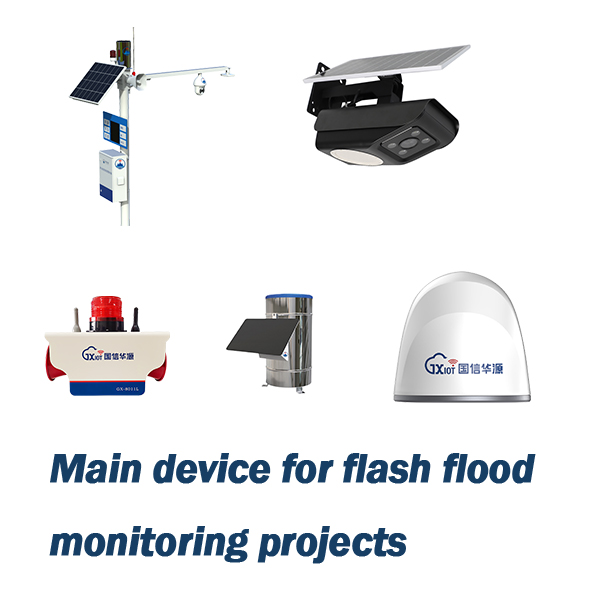
Monitoring Equipment: Water level sensors, rain gauges, and soil moisture detectors provide information about changing flood conditions.
Communication Networks: Cellular, radio, satellite, and IoT technologies transmit measurements to monitoring platforms.
Warning Devices: Sirens, flashing lights, and SMS platforms deliver alerts to residents.
Power Supply: Solar panels, batteries, or grid connections support equipment operation.
Durable, weather-resistant devices are particularly important for remote villages exposed to severe weather.
Training Community Members and Local Authorities
Training prepares residents and emergency personnel to respond effectively when flood warnings occur.
Local authorities need to understand system operation, alarm activation, and maintenance requirements.
Residents should learn how to recognize different warning signals and follow evacuation procedures.
Regular simulation exercises and volunteer participation help identify weaknesses before actual emergencies.
Establishing Maintenance and Monitoring Protocols
Flood monitoring systems require regular maintenance to remain operational.
A practical maintenance plan should cover:
Sensor calibration and equipment inspections.
Communication network testing.
Backup system checks.
Software updates and equipment repairs.
Assigning clear responsibilities to local authorities or maintenance teams helps prevent neglected equipment and unexpected failures.
Benefits of Community-Based Flood Alarm Systems
Community-based flood alarm systems improve preparedness by providing earlier warnings, supporting emergency responses, and making flood monitoring more accessible to vulnerable villages.
Improved Early Warning and Response Times
Timely flood alerts give residents additional time to prepare for dangerous conditions.
People may move to safer locations, protect important belongings, or follow established evacuation procedures.
Early notification also helps local authorities mobilize emergency teams and coordinate resources before flooding becomes severe.
Enhanced Community Awareness and Preparedness
Flood warning systems encourage residents to become more familiar with local flood risks.
Regular education programs and emergency drills help communities understand warning signals and appropriate responses.
When residents know what actions to take, they can respond more confidently and efficiently during emergencies.
Reduction in Flood-Related Casualties and Damage
Reliable flood warnings can reduce potential injuries and property losses by giving communities time to act.
Their effectiveness depends on several factors:
Timely detection of dangerous conditions.
Clear communication of flood warnings.
Resident awareness of evacuation procedures.
Coordination between communities and emergency responders.
Together, these measures improve the ability of villages to respond before flood conditions become critical.
Cost-Effectiveness Compared to Large-Scale Infrastructure
Community flood alarm systems generally require less initial investment than major flood control infrastructure such as dams or levees.
They can also be expanded gradually as budgets and monitoring requirements change.
This flexibility makes them suitable for villages with limited financial resources.
However, early warning systems complement rather than replace physical flood protection measures.
Tip: Consider community warning systems as part of a broader flood risk management strategy to improve preparedness without relying solely on large infrastructure projects.

Challenges and Solutions in Community Flood Monitoring
Community flood monitoring faces technical, financial, and social challenges. Addressing these issues helps maintain reliable equipment and build public trust.
Technical Limitations and Data Accuracy
Monitoring equipment may experience failures during severe weather, while limited sensor coverage can leave some flood risks undetected.
The following table summarizes common technical problems and possible solutions.
Challenge | Potential Impact | Recommended Solution |
Sensor Damage | Incorrect or missing measurements | Use durable equipment and conduct regular inspections |
Limited Coverage | Localized flooding may go undetected | Add monitoring points in critical areas |
Communication Failures | Delayed data transmission and warnings | Establish backup radio or satellite connections |
Forecasting Errors | Inaccurate flood risk assessments | Improve data quality and combine multiple measurements |
Regular calibration, maintenance, and data verification help reduce these risks.
Ensuring Community Engagement and Trust
Flood warning systems depend on residents understanding and trusting the alerts they receive.
Lack of awareness, doubts about equipment reliability, and low participation in training can weaken emergency preparedness.
Local authorities should communicate system capabilities and limitations clearly.
Community leaders can help organize training sessions, collect feedback, and encourage residents to participate in emergency drills.
Funding and Resource Constraints
Many flood-prone villages have limited budgets for monitoring equipment, maintenance, and community education.
Partnerships with government agencies, nongovernmental organizations, and private donors can help secure financial support.
Cost-effective technologies, including solar-powered sensors and open-source software, may also reduce expenses.
Prioritizing high-risk locations allows communities to allocate resources where they are most needed.
Strategies for Overcoming These Challenges
Long-term system reliability requires both technical improvements and community participation.
Technical measures include using multiple sensor types, establishing backup communication networks, and maintaining equipment regularly.
Community measures focus on local involvement, volunteer training, and clear emergency procedures.
Financial measures involve securing different funding sources and planning for ongoing operating expenses.
Combining these approaches helps communities maintain reliable warning systems and respond more effectively to flood risks.
Future Trends in Community Flood Warning Systems
Advances in Sensor Technology and IoT Integration
Improvements in sensor technology are making flood monitoring equipment smaller, more accurate, and more energy-efficient.
Some modern sensors can measure several environmental parameters, including water levels, temperature, and humidity.
IoT integration connects monitoring devices through wireless networks and enables continuous data transmission to cloud platforms.
Remote monitoring and automated alerts can reduce manual intervention and improve system efficiency in isolated villages.
Use of Artificial Intelligence for Predictive Analytics
Artificial intelligence and machine learning are increasingly used to analyze flood monitoring data.
These technologies examine historical records and real-time measurements to identify patterns associated with flooding.
They can also detect unusual rainfall conditions or increasing soil moisture that may indicate developing risks.
By supporting more detailed forecasting, predictive analytics help emergency authorities prepare responses and allocate resources.
Expanding Community Networks and Collaborative Approaches
Future flood monitoring systems will increasingly depend on cooperation between communities, local governments, NGOs, and technology providers.
Expanding monitoring networks can improve sensor coverage and support earlier detection across larger areas.
Shared platforms allow different organizations to access flood information and coordinate emergency responses.
Peer-to-peer communication networks may also help distribute warnings in regions with limited infrastructure.
Policy Developments Supporting Flood Alarm Systems
Government policies can support community flood warning systems through funding, technical standards, and disaster management planning.
Important policy areas include:
Financial Support: Grants and funding programs for monitoring equipment.
Technical Standards: Requirements for reliable warning and communication systems.
Public-Private Partnerships: Cooperation in system development and maintenance.
Data Management: Guidelines for information sharing and privacy protection.
Supportive policies can help villages obtain technical assistance and maintain flood monitoring systems over time.
Tip: Consider IoT connectivity, predictive analytics, and community collaboration when planning future monitoring system upgrades.
Conclusion
A flood warning is only useful when it reaches the right people and leads to timely action. For flood-prone villages, this means connecting accurate environmental monitoring with clear communication and practical emergency plans.
Community flood monitoring systems provide the technical foundation. Water level sensors, rain gauges, and communication networks help identify developing threats, while sirens, SMS notifications, and visual alarms make warnings accessible to more residents. Using several alert methods is particularly important in rural areas where communication infrastructure may be unreliable.
Yet equipment alone cannot build a flood-resilient community. Local participation, regular evacuation drills, and clearly assigned responsibilities help residents recognize warnings and respond effectively. Even a relatively simple monitoring network can provide meaningful protection when it is properly maintained and supported by community involvement.
BGT Hydromet provides hydrometeorological monitoring equipment and flood early warning solutions for different environmental conditions. By combining suitable monitoring technology with local preparedness efforts, communities can strengthen their ability to manage flood risks and protect vulnerable residents.
FAQ
Q: What is a community flood monitoring system?
A: A community flood monitoring system uses sensors and communication networks to detect potential flooding. It supports timely warnings through flood alarm systems, helping protect residents in flood-prone villages.
Q: How does a community flood warning system work?
A: The system measures rising water levels and other environmental conditions. When monitoring data exceeds warning thresholds, it can trigger sirens, mobile alerts, and visual signals.
Q: Why is a flood alarm system important for villages?
A: Flood alarm systems provide early warnings that help residents prepare, evacuate when necessary, and reduce potential injuries and property damage.
Q: What are common types of flood alarm systems used?
A: Common options include audible sirens, SMS notifications, mobile applications, flashing lights, social media, and local broadcasts.
Q: How much does implementing a community flood monitoring system cost?
A: Costs depend on sensor types, communication infrastructure, monitoring coverage, and warning equipment. Community systems can be a cost-effective option compared with major flood control infrastructure.
Q: How can technical issues in community flood monitoring be addressed?
A: Regular sensor calibration, equipment maintenance, backup communication systems, and community participation help maintain monitoring accuracy and warning reliability.