Introduction
Pyranometers are crucial in measuring solar radiation, which impacts Earth's energy balance. These devices provide essential data, especially in weather forecasting. By analyzing solar radiation, pyranometers help predict weather patterns, temperature fluctuations, and extreme events. In this article, we’ll explore how pyranometers enhance weather predictions and their broader applications in various industries.
Understanding Pyranometers
What Is a Pyranometer?
A pyranometer is an instrument used to measure the total amount of solar radiation received on a surface. It detects both direct sunlight and diffuse radiation, providing a comprehensive measurement of the solar energy that impacts the Earth's surface. Pyranometers are widely used in meteorology, agriculture, climate studies, and solar energy systems. Their accuracy in capturing solar radiation data makes them a valuable tool for improving weather predictions and understanding climate dynamics.
How Pyranometers Work
Pyranometers operate on the principle of thermopiles or photovoltaic cells. A thermopile pyranometer uses multiple thermocouples that generate an electrical signal when exposed to solar radiation. This signal is proportional to the intensity of the sunlight absorbed. On the other hand, photovoltaic pyranometers use a silicon-based sensor that converts solar radiation into electrical energy. Both types of pyranometers are designed to measure the total amount of solar radiation, making them highly effective for monitoring changes in solar energy.
Types of Pyranometers
Pyranometers come in different types, each suited for specific applications. Thermopile pyranometers are the most common and provide highly accurate measurements across a wide range of wavelengths. These are ideal for long-term monitoring, including weather forecasting and climate studies. Photovoltaic pyranometers, while less accurate, are more compact and cost-effective, making them suitable for portable applications or short-term measurements. Understanding the differences between these types helps ensure that the right pyranometer is used for specific needs in meteorology and other fields.
Pyranometers in Weather Forecasting
Role in Weather Models
Pyranometers are integral to improving the accuracy of weather models. By providing real-time solar radiation data, pyranometers help meteorologists understand how solar energy influences atmospheric conditions. This data is fed into weather prediction models, enhancing their ability to forecast temperature fluctuations, cloud cover, and extreme weather events. Without pyranometer data, weather models would lack crucial information about solar energy, leading to less accurate predictions.
Solar Radiation and Temperature Prediction
Solar radiation is the primary driver of temperature changes on Earth. Pyranometer data allows meteorologists to predict temperature variations more accurately. For instance, during the day, when solar radiation is high, temperatures tend to rise, while at night, the absence of solar energy leads to cooling. By measuring solar radiation, pyranometers help forecast heatwaves, frost, and other temperature-related phenomena that are essential for agriculture, public safety, and energy management.
Pyranometers and Cloud Cover Predictions
Cloud cover plays a vital role in weather forecasting. Pyranometers help meteorologists determine cloud density and presence by measuring the amount of solar radiation that reaches the Earth's surface. When clouds block sunlight, pyranometer readings show a decrease in solar radiation. This information is vital for predicting weather patterns, including the likelihood of storms or precipitation. By providing real-time data on solar radiation, pyranometers help meteorologists assess cloud cover and enhance forecast accuracy.
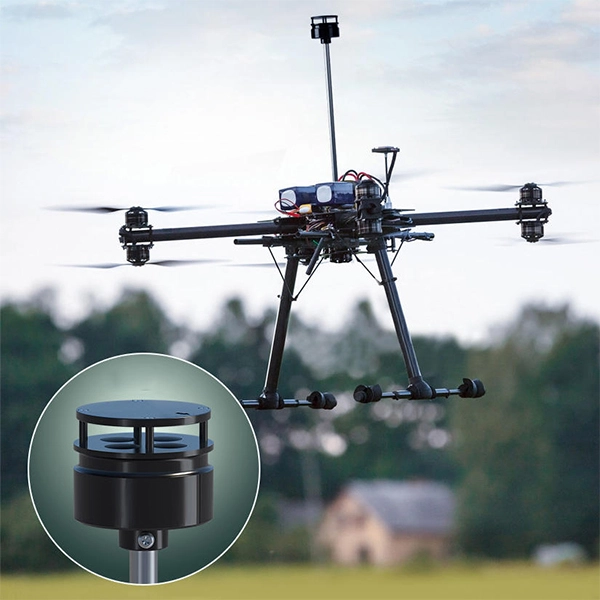
How Pyranometers Help Improve Forecast Accuracy
Data Integration with Weather Prediction Models
Pyranometer data is crucial for improving forecast accuracy. The table below details how pyranometer data can be effectively integrated into weather prediction models to enhance forecast precision.
| Key Element | Role | Considerations | Technical Specifications |
| Data Integration | Integrating pyranometer data into weather prediction models to improve forecast accuracy | Ensure timely data updates and correct model inputs | Accuracy: ±5% |
| Data Update | Real-time data transmission to ensure continuous input to the models | Time-sensitive, must avoid delays | Data transmission frequency: updated every minute |
| Model Optimization | Continuously optimizing weather prediction models with solar radiation data | Proper model adjustments to include solar radiation effects | Optimization frequency: quarterly |
Tip: Regularly feed real-time pyranometer data into weather prediction models to enhance accuracy, especially when forecasting extreme weather events.
Monitoring Extreme Weather Events
Extreme weather events such as heatwaves, frost, and storms can be more accurately predicted using pyranometer data. By measuring fluctuations in solar radiation, pyranometers provide insights into how these events develop. For example, a sudden increase in solar radiation can indicate the potential for a heatwave, while a decrease can signal the onset of frost. This early detection helps authorities and businesses prepare for adverse weather conditions and mitigate potential risks.
Temperature Variations and Forecast Precision
Solar radiation is a key factor in temperature variations throughout the day and year. Pyranometers enable meteorologists to predict these variations more accurately, especially when analyzing diurnal temperature cycles. By measuring the solar energy received during the day, pyranometers help predict how temperatures will change overnight or during different seasons. This information is crucial for sectors like agriculture, where temperature predictions can influence crop planting and harvesting schedules.
Meteorological Applications Beyond Weather Forecasting
Climate Research
In climate research, pyranometers provide vital data on solar radiation patterns, which are crucial for understanding the Earth's energy balance. By tracking solar radiation over time, scientists can observe how changes in solar energy affect global temperatures, weather patterns, and climate change. Pyranometers help create accurate climate models that are essential for predicting future climate conditions and informing policy decisions on climate change mitigation.
Agricultural Meteorology
Pyranometers are also widely used in agricultural meteorology to optimize crop yields and irrigation schedules. By measuring solar radiation, pyranometers help determine how much sunlight crops are receiving, which influences photosynthesis and growth. With this data, farmers can adjust planting times, watering schedules, and other agricultural practices to improve productivity and conserve resources. Pyranometer data also aids in the design of solar-powered irrigation systems, contributing to sustainable farming practices.
Solar Energy Forecasting
Pyranometers play a significant role in forecasting solar energy production. By measuring solar radiation levels, these instruments help solar power plants and energy grid operators predict how much energy will be generated at different times of the day. This information is vital for energy management, ensuring that solar energy production is optimized and integrated efficiently into the power grid.

The Importance of Accurate Pyranometer Data
Calibration and Maintenance
To maintain the accuracy of pyranometer measurements, regular calibration is essential. Calibration ensures that pyranometers continue to provide reliable data over time, which is crucial for weather forecasting and other applications. Additionally, proper maintenance, including cleaning and inspecting the sensors for wear and tear, is necessary to ensure optimal performance, especially in harsh environmental conditions.
Accuracy Classes in Pyranometers
Understanding the different accuracy classes of pyranometers can help you choose the right device for your specific application needs. The table below displays the accuracy classes of pyranometers along with their applicable fields, uses, and technical specifications.
| Accuracy Class | Applicable Fields | Applications | Technical Specifications | Notes |
| A | High-precision applications | Meteorological networks, climate research, extreme weather forecasting | Accuracy: ±5% (or higher) | Suitable for data collection and long-term monitoring requiring high accuracy |
| B | General meteorological monitoring | Agricultural meteorology, solar energy forecasting, temperature change monitoring | Accuracy: ±10% | Suitable for applications with relatively low accuracy requirements, for short-term monitoring |
| C | Low-precision applications | Agricultural monitoring, solar energy experiments | Accuracy: ±20% | Suitable for low-budget and less demanding environments, ideal for temporary measurements |
Tip: When selecting a pyranometer, choose the appropriate accuracy class based on your application needs and budget to ensure measurement reliability and data accuracy.
Applications of Pyranometers in Broader Meteorological Systems
Integration with Weather Stations
Pyranometers are commonly integrated into weather stations to provide comprehensive data on solar radiation and other meteorological parameters. This integration allows for a more complete understanding of weather patterns and helps meteorologists improve forecast accuracy. Pyranometer data, when combined with other meteorological readings like temperature and humidity, enhances weather prediction models and enables more precise forecasting.
Pyranometer and Radiometers
Pyranometers are often used alongside pyrgeometers (radiometers) in weather stations to measure both shortwave and longwave radiation. While pyranometers measure incoming solar radiation, pyrgeometers measure radiation emitted by the Earth's surface. Together, these instruments provide a more complete picture of the Earth's energy balance, which is essential for climate studies, weather forecasting, and environmental monitoring.
Conclusion
Pyranometers play a crucial role in weather forecasting and various other industries by providing accurate measurements of solar radiation. These instruments help meteorologists predict temperature changes, monitor cloud cover, and improve forecast precision. Their applications extend beyond weather forecasting to climate research, agricultural monitoring, and solar energy forecasting. BGT Hydromet offers high-quality pyranometers designed for precise solar radiation measurements, helping industries make data-driven decisions for better resource management and energy efficiency. As technology advances, pyranometers will continue to enhance our understanding of weather, climate, and energy systems.
FAQ
Q: What are pyranometers used for in weather forecasting?
A: Pyranometers are used in weather forecasting to measure solar radiation. This data helps meteorologists predict temperature changes, cloud cover, and extreme weather events, improving forecast accuracy.
Q: How do pyranometers work?
A: Pyranometers measure solar radiation using thermopiles or photovoltaic cells. The sensor absorbs solar energy, generating an electrical signal proportional to the radiation intensity, which is then measured and used for weather predictions.
Q: Why are pyranometers important in meteorology?
A: Pyranometers provide crucial data on solar radiation, which directly influences temperature, cloud cover, and atmospheric conditions, making them vital for accurate weather forecasts.
Q: How do pyranometers improve weather forecast accuracy?
A: By providing real-time solar radiation data, pyranometers help integrate solar energy effects into weather models, enhancing their ability to predict temperature variations and extreme weather events.
Q: Can pyranometers be used for other applications besides weather forecasting?
A: Yes, pyranometers are also used in climate research, agricultural meteorology, solar energy forecasting, and environmental monitoring, making them versatile instruments in various industries.
Q: What are the different types of pyranometers?
A: Pyranometers come in thermopile and photovoltaic types. Thermopile pyranometers are highly accurate and suitable for long-term monitoring, while photovoltaic ones are more compact and cost-effective for short-term use.
Q: How much do pyranometers cost?
A: Pyranometer prices vary depending on accuracy and application. Thermopile pyranometers are generally more expensive due to their higher precision, while photovoltaic pyranometers offer a more budget-friendly option for basic measurements.

 English
 العربية
 Français
 Русский
 Español
 Português
 Deutsch
 italiano
 日本語
日本語 한국어
한국어 Nederlands
 Tiếng Việt
 ไทย
ไทย Polski
 Türkçe
 Bahasa Melayu
 ဗမာစာ
ဗမာစာ தமிழ்
தமிழ் Filipino
 Bahasa Indonesia
 magyar
 Română
 Čeština
 Монгол
 қазақ
қазақ Српски
 हिन्दी
 فارسی
فارسی Slovenčina
 Norsk
Norsk Svenska
 українська
 Ελληνικά
 Suomi
Suomi עברית
עברית Dansk
Dansk اردو
اردو বাংলা
বাংলা Afrikaans
 Gaeilge
 Eesti keel
 Māori
Māori नेपाली
 Oʻzbekcha
 Azərbaycan dili
 Беларуская мова
 Български
 Kurdî
Kurdî Кыргызча
 Lietuvių
 Türkmençe


