Introduction
Water quality is essential for health, industry, and the environment. Have you ever wondered how we monitor it effectively? From pH to turbidity, various water quality sensors provide real-time insights into water conditions.
In this article, we will explore the different types of water quality sensors and their applications, focusing on how they ensure water safety and efficient use across industries. You'll understand why these sensors are crucial for modern water management and how to select the right one for your needs.
Water Quality Sensors: The Basics
What Are Water Quality Sensors?
Water quality sensors are instruments designed to monitor and measure the chemical, physical, and biological properties of water. They help ensure that water remains safe for consumption, industrial processes, and environmental health. Key parameters measured include pH, turbidity, dissolved oxygen, and chemical content, such as pollutants and contaminants.
The Role of Water Quality Sensors in Industry
Water quality sensors are widely used in sectors such as municipal water treatment, environmental monitoring, aquaculture, and industrial processing. They help industries maintain compliance with regulatory standards, improve water treatment processes, and reduce the risk of contamination. By continuously monitoring water quality, these sensors enable industries to detect problems early and ensure that water is safe for its intended use.
Types of Water Quality Sensors
| Sensor Type | Function | Applications |
| pH Sensors | Measure the acidity or alkalinity of water. | Essential for assessing water’s suitability for various processes. |
| Turbidity Sensors | Measure the cloudiness of water caused by suspended particles. | Indicate contamination or pollutants in water. |
| Dissolved Oxygen Sensors | Monitor oxygen levels in water, crucial for aquatic life and industrial applications. | Used in wastewater treatment and maintaining aquatic ecosystems. |
| Chlorine Sensors | Measure chlorine levels to ensure disinfection effectiveness. | Used in drinking water and swimming pool disinfection processes. |
Water Level Sensors: Technologies and Applications
What Are Water Level Sensors?
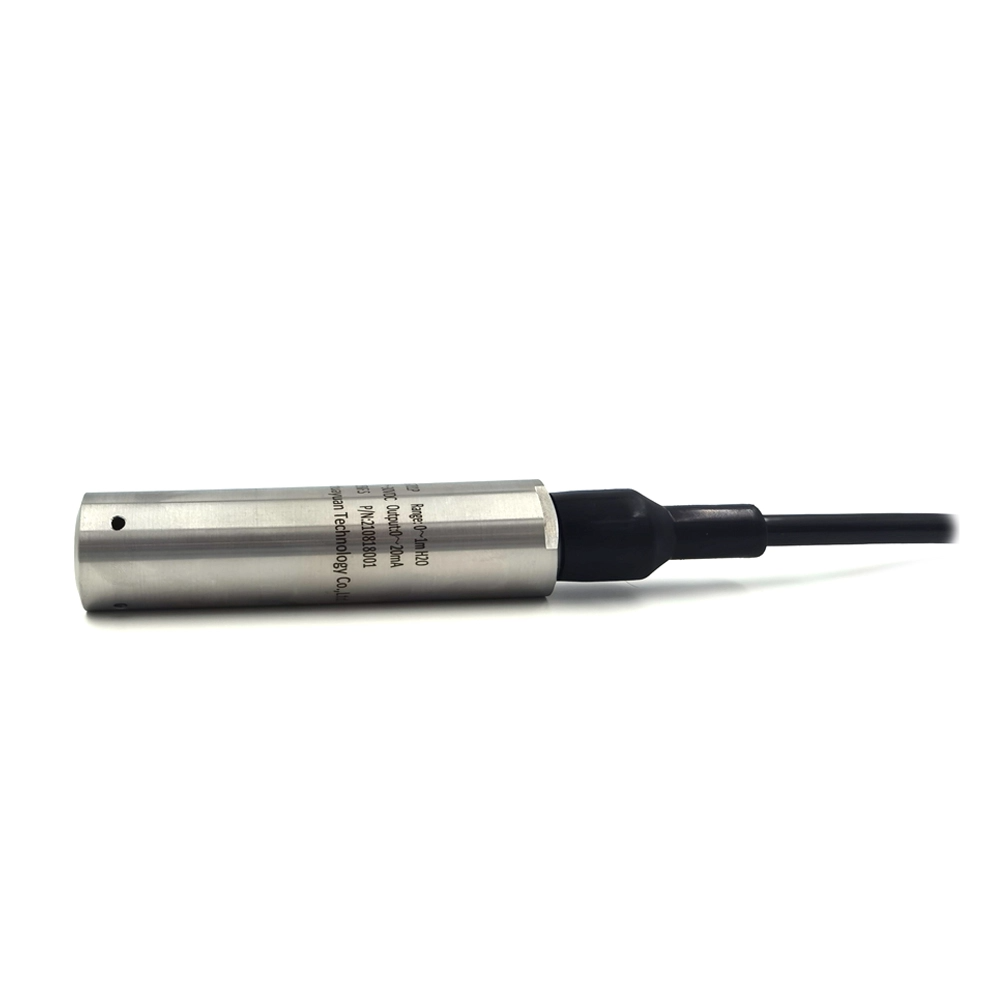
Water level sensors are devices used to detect the height or level of water in a specific environment, such as tanks, reservoirs, rivers, or lakes. These sensors provide crucial information for resource management, process control, and safety in various industries, including agriculture, municipal water systems, and industrial plants.
How Water Level Sensors Work
Water level sensors use different technologies to measure water levels. Some sensors use sound waves or radar to measure distances non-invasively, while others rely on physical probes or floats to detect the water level directly. The choice of technology depends on the application and environmental conditions. For example, ultrasonic sensors are often used for non-contact measurements, while pressure sensors are ideal for submerged environments.
Types of Water Level Sensors
| Sensor Type | Function | Applications |
| Ultrasonic Sensors | Use sound waves to measure the distance to the water surface. | Ideal for non-contact level measurements in various environments. |
| Radar Sensors | Use microwave pulses to measure water levels with high precision. | Suitable for harsh conditions, such as high pressure or foam. |
| Float Switches | A mechanical sensor that rises and falls with the water level. | Commonly used in small tanks or confined spaces for simple level detection. |
Tip: When choosing water level sensors, ultrasonic and radar sensors are ideal for non-contact measurements in complex environments, while float switches are suitable for simple level detection.

Water Leak Detection Sensors: Ensuring Structural Integrity
What Are Water Leak Detection Sensors?
Water leak detection sensors are designed to identify the presence of water in areas where it shouldn’t be, such as under floors, around pipes, or in ceilings. These sensors are crucial for preventing water damage to buildings, equipment, and infrastructure, offering early warnings before significant harm occurs.
Types of Water Leak Detection Sensors
| Sensor Type | Function | Applications |
| Spot Leak Detectors | Point-based sensors designed to detect water at a single point. | Ideal for confined spaces like drip pans or floor drains. Cost-effective for small areas. |
| Cable Leak Sensors | Flexible cables that detect moisture along their entire length. | Suitable for large areas like under carpets or along long pipelines. |
Tip: When selecting leak detection sensors, spot leak detectors are perfect for small, confined spaces, while cable leak sensors are better for monitoring larger areas or complex installations.
Applications in Home and Industrial Settings
Water leak detection sensors are invaluable in both home and industrial settings. They help prevent costly damage to buildings, equipment, and inventory by providing real-time alerts when water is detected in unexpected areas. These sensors are particularly useful in basements, server rooms, and manufacturing plants where water leaks can cause substantial operational disruptions.
Advanced Water Quality Sensors: Measuring Specific Parameters
Specialized Water Quality Sensors
Some water applications require more specific measurements, such as monitoring nutrient levels or detecting harmful microorganisms. Advanced sensors are designed to measure parameters like ammonia, nitrates, and even chlorophyll levels to assess water quality in different ecosystems.
Ammonium and Nitrate Sensors
Ammonium and nitrate sensors are crucial in agricultural and environmental monitoring. High levels of these substances can indicate pollution from agricultural runoff or wastewater discharges. By measuring these ions, these sensors help prevent eutrophication in water bodies and ensure that water is safe for aquatic life.
Blue-Green Algae and Chlorophyll Sensors
Blue-green algae sensors measure the concentration of cyanobacteria, which can lead to harmful algal blooms. Chlorophyll sensors, on the other hand, assess the presence of algae biomass in aquatic systems. Both sensors are essential for managing water quality in reservoirs, lakes, and other bodies of water, preventing potential ecosystem damage.

Industrial Water Sensors: Ensuring Efficient Operations
Why Industrial Water Sensors Matter
In industries like food processing, pharmaceuticals, and chemical manufacturing, water quality directly affects product quality and process efficiency. Monitoring water quality helps prevent damage to equipment, ensures regulatory compliance, and enhances overall productivity.
Key Sensors in Industrial Applications
Turbidity Sensors: Measure the clarity of water, indicating the presence of suspended solids or contaminants that could damage equipment or affect product quality.
Conductivity Sensors: Monitor dissolved ions to assess water purity, making them essential for industrial processes where water must meet specific quality standards.
Chemical Oxygen Demand (COD) Sensors: These sensors are used to measure organic pollutants in wastewater, helping companies monitor treatment processes and ensure environmental compliance.
Emerging Technologies in Water Sensors
The Future of Water Sensor Technologies
Advancements in sensor technologies are constantly improving the accuracy, efficiency, and applicability of water sensors. With the integration of wireless technology and IoT, water sensors are becoming more accessible and capable of providing real-time data to users.
Wireless and Smart Water Sensors
Wireless water sensors allow for remote monitoring and offer real-time alerts, which help users respond faster to changes in water quality or levels. These sensors can be integrated with cloud-based systems for easier data management and enhanced decision-making.
Internet of Things (IoT) in Water Sensors
The IoT revolution has enabled water sensors to connect to the cloud and provide real-time, actionable data. These sensors transmit data directly to central systems, allowing for remote monitoring and more efficient water resource management, especially in large-scale industrial or environmental applications.
Conclusion
Water sensors play a crucial role in modern water management systems, providing real-time insights that help safeguard water quality and ensure efficient use of resources. From monitoring water levels to detecting leaks, these sensors are indispensable across industries. With continued advancements in technology, water sensors will only become more effective in addressing global water challenges, making water management smarter and more efficient than ever before. BGT Hydromet offers high-quality water sensors with unique features, ensuring reliable and precise monitoring, making their products an invaluable asset for various water management applications.
FAQ
Q: What are Water Quality Sensors used for?
A: Water Quality Sensors are used to monitor and measure parameters like pH, turbidity, dissolved oxygen, and contaminants, ensuring safe water for consumption and industrial use.
Q: How do Water Quality Sensors work?
A: Water Quality Sensors work by detecting specific water properties, such as acidity or clarity, through physical, chemical, or biological reactions, providing real-time data for analysis.
Q: Why are Water Quality Sensors important in environmental monitoring?
A: Water Quality Sensors help detect pollution, track water quality in natural bodies, and ensure safe aquatic life, making them crucial for protecting ecosystems.
Q: What is the cost of Water Quality Sensors?
A: The cost of Water Quality Sensors varies depending on the type and features, with prices typically ranging from affordable point sensors to high-end multi-parameter systems.
Q: What types of Water Quality Sensors are available?
A: Common types of Water Quality Sensors include pH sensors, turbidity sensors, dissolved oxygen sensors, and conductivity sensors, each measuring a different water quality parameter.