Introduction
Have you ever wondered how weather forecasts are so accurate? Meteorological monitoring systems collect and analyze vast amounts of atmospheric data. These systems are crucial for weather forecasting, disaster management, and many industries like agriculture and aviation. In this article, you’ll learn how these systems work, from their components to the latest technologies and trends.
Core Components of a Meteorological Monitoring System
Data Collection Instruments
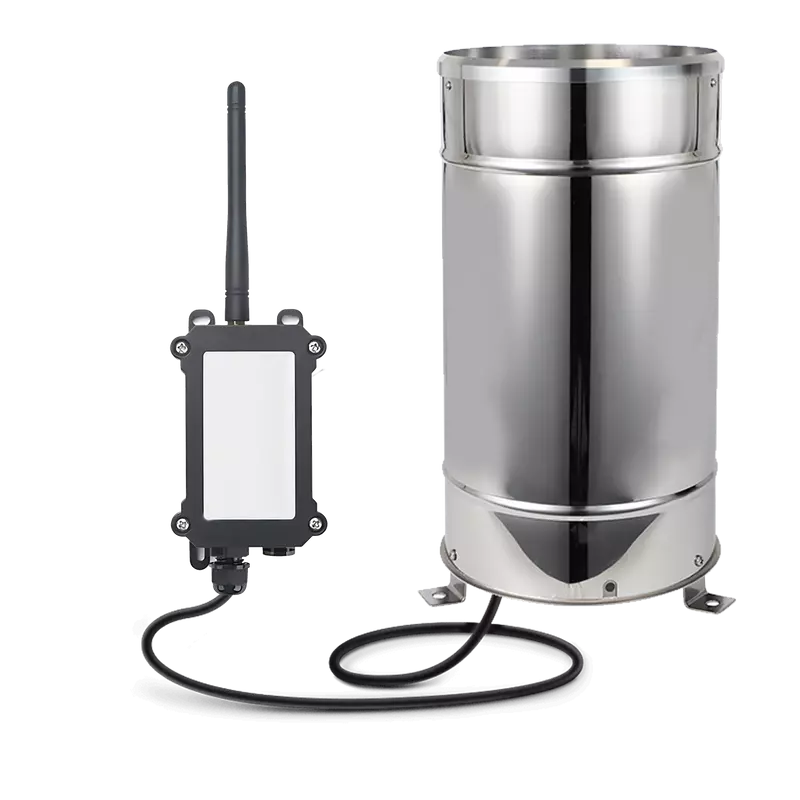
Meteorological monitoring systems rely heavily on a range of sensors to capture real-time environmental data. These sensors measure various atmospheric parameters such as temperature, humidity, wind speed, pressure, and precipitation. Wind speed and direction are typically measured using anemometers and wind vanes. Temperature and humidity sensors, often housed in radiation shields, ensure accurate readings unaffected by sunlight. Barometers track atmospheric pressure, while rain gauges capture the amount of precipitation.
Data Logger
The data logger acts as the heart of the meteorological monitoring system. It collects the electrical signals generated by the sensors, timestamping each reading for accurate tracking. The data logger ensures that environmental data is stored for both real-time analysis and long-term trend tracking. It serves as a bridge between raw data collection and its transmission to centralized processing units.
Data Transmission
Data transmission is a key component of meteorological monitoring systems. Different transmission methods have their own advantages and are suitable for different monitoring needs. The table below outlines the applications, technical specifications, and considerations for each transmission method, helping to choose the most appropriate one.
| Transmission Method | Application | Technical Specifications | Physical Units | Considerations |
| Wi-Fi | Used for short-range data transmission, ideal for urban environments or indoor weather stations | Frequency: 2.4GHz / 5GHz, Max Transmission Speed: 1Gbps | Hertz (Hz), Gigabits per second (Gbps) | Requires stable network connection, suitable for local range transmission, not ideal for long distances or extreme weather conditions. |
| Cellular Networks | Suitable for medium-range remote data transmission, commonly used for outdoor weather stations | Network Standards: 4G LTE / NB-IoT, Max Transmission Speed: 150 Mbps | Mbps (Megabits per second) | Signal quality depends on regional network coverage; remote areas may experience weak or unstable signals. |
| Satellite Connection | Used for long-distance data transmission in remote or extreme environments | Frequency: L-band, Ku-band, Max Transmission Speed: Several Mbps | Hertz (Hz), Megabits per second (Mbps) | High cost, suitable for global coverage, with higher latency, ideal for areas without access to ground networks. |
| Ethernet | Used for stable, fixed data transmission in local weather stations | Bandwidth: 10/100/1000 Mbps, Max Transmission Speed: 1Gbps | Mbps, Gbps | Requires physical cable connections, suitable for stable installation environments, limited by physical surroundings. |
Tip: When choosing the right data transmission method, consider the specific needs and environmental conditions of the weather monitoring station. For remote or extreme locations, satellite connections, although costly, provide global coverage and reliability.

How Data is Processed in Meteorological Monitoring Systems
Data Assimilation
After the data is collected, it undergoes a process known as data assimilation. This process integrates real-time data from various sensors with historical weather patterns, filling in any gaps where data might be missing. Supercomputers or cloud platforms perform this analysis to provide a comprehensive and accurate weather picture, enhancing the overall forecasting capability of the system.
Artificial Intelligence and Modeling
AI in meteorology goes beyond just analyzing historical weather data. Machine learning algorithms are now used to improve predictive accuracy by incorporating diverse datasets, including satellite imagery, oceanic data, and even social media reports. These AI-driven models can anticipate complex weather phenomena such as tornadoes, wildfires, and even localized rainfall patterns, which were previously challenging to predict. By simulating atmospheric conditions in near real-time, AI allows for more responsive and precise forecasts, benefiting sectors like agriculture, transportation, and disaster management.
Cloud-Based Platforms
Cloud platforms enhance the scalability and flexibility of meteorological monitoring by allowing real-time data processing and access from anywhere in the world. These platforms integrate AI-driven models, sensor networks, and satellite data, offering a centralized hub for weather analysis. In addition to storing vast amounts of data, cloud computing enables advanced analytics such as trend detection and anomaly prediction. This seamless data flow ensures that meteorologists and decision-makers can make quick, informed decisions during weather emergencies or optimize operations in sectors like aviation and agriculture.
Key Technologies in Meteorological Monitoring
Automatic Weather Stations (AWS)
AWS are increasingly integrated with advanced sensors that allow for not just basic weather parameters but also additional measurements like soil moisture and air quality. These stations are designed to withstand harsh environmental conditions, with solar power often being used to ensure continuous operation in remote locations. The data collected by AWS systems can be transmitted in real time to central databases, enabling rapid responses to weather changes. In agricultural settings, AWS provides critical data that helps farmers predict crop growth conditions and manage irrigation more efficiently.
Remote Sensing and Satellite Technology
Remote sensing via satellites has become indispensable for monitoring large-scale weather patterns, such as hurricanes, wildfires, and global temperature changes. Satellites equipped with advanced infrared sensors can detect temperature variations in the atmosphere, which aids in identifying storms or shifts in weather systems. Additionally, Doppler radar technology complements satellite imagery by providing real-time, high-resolution data on precipitation intensity and storm rotation. This combination is vital for improving short-term forecasting and understanding long-term climate trends.
IoT Integration
The use of IoT in meteorological monitoring systems is enhancing both real-time data collection and operational efficiency. By integrating low-cost sensors into a network, IoT systems can collect data from a wide variety of locations, including urban areas, forests, and oceans. This data is then analyzed using cloud computing platforms, allowing meteorologists to monitor environmental changes from anywhere in the world. IoT-based systems offer more granular data, enabling more precise forecasts that are tailored to specific regions or even specific events, such as local storms or heatwaves.
Applications of Meteorological Monitoring
Agriculture and Irrigation
Meteorological monitoring systems also assist in precision farming by integrating weather data with soil and crop information. By analyzing patterns in rainfall, temperature, and soil moisture, farmers can implement adaptive irrigation techniques that reduce water wastage. For example, weather forecasts can guide the optimal timing of irrigation cycles, ensuring that crops receive just the right amount of water. This approach helps conserve water resources, reduces costs, and boosts crop resilience against extreme weather events like heatwaves or unexpected frosts.
Aviation and Maritime Safety
In aviation, advanced weather monitoring systems integrate real-time data from satellites, radars, and ground sensors to predict turbulence, storms, and low visibility conditions, enabling more efficient flight routing. Pilots receive critical updates on weather changes, helping them avoid hazardous areas and ensuring smooth flights. Similarly, maritime navigation systems use weather data to track storm patterns, wave heights, and ocean currents, allowing ship captains to adjust their routes for safety. This capability enhances both the safety and operational efficiency of airlines and maritime transport.
Disaster Management
Meteorological monitoring systems enhance disaster response by predicting and tracking extreme weather events with high precision. These systems provide valuable insights into the strength and path of hurricanes, tornadoes, or wildfires, enabling early evacuation plans and resource allocation. By leveraging predictive models, authorities can issue accurate warnings to the public, allowing them to prepare for potential disasters. Additionally, monitoring systems help manage recovery efforts by providing ongoing weather data, which is essential for assessing damage and coordinating relief activities effectively.
Advantages of Meteorological Monitoring Systems
Accurate Forecasting
Meteorological monitoring systems rely on cutting-edge technologies such as AI and machine learning to refine weather predictions. These systems integrate data from various sources, including satellites, ground sensors, and weather stations, to provide hyper-localized forecasts. Advanced algorithms analyze historical patterns and real-time data to forecast severe weather events like hurricanes, heatwaves, or snowstorms. Accurate predictions enable sectors like agriculture to plan better harvests, airlines to optimize flight paths, and cities to prepare for extreme weather, ultimately saving lives and reducing financial losses.
Real-Time Alerts
Real-time alerts are crucial in ensuring public safety and efficient operations. Meteorological systems continuously monitor atmospheric changes and immediately send alerts when thresholds are exceeded, such as high wind speeds or temperature extremes. For example, in agriculture, early storm warnings allow farmers to protect crops, while in aviation, real-time updates ensure pilots avoid hazardous conditions. These alerts can be customized to specific industries, ensuring that the relevant parties are notified in time to take preventive measures, preventing accidents, and optimizing decision-making during emergencies.
Economic and Environmental Impact
Weather monitoring systems can not only save lives but also bring positive economic benefits. By optimizing resource use, such as irrigation in agriculture and energy consumption in urban planning, these systems contribute to sustainable practices. Additionally, accurate weather forecasting reduces weather-related damages, helping businesses and communities plan for potential disruptions. The following table illustrates the application, technical indicators, and impact of meteorological monitoring systems across various fields, showcasing how they bring tangible benefits to both the economy and the environment.
| Field | Application | Technical Indicators | Physical Units | Considerations |
| Agriculture | Optimizing irrigation, improving crop yields | Temperature, humidity, precipitation, soil moisture, wind speed | Celsius (°C), Humidity (%), Millimeters (mm), Wind Speed (m/s) | Adjust irrigation timing based on weather changes to avoid water waste. Crop growth cycles are impacted by climate variations, requiring timely adjustments in planting schedules. |
| Energy Management | Optimizing energy consumption, particularly solar and wind energy utilization | Wind speed, solar radiation, temperature, humidity | Wind Speed (m/s), Radiation Intensity (W/m²), Celsius (°C) | Wind energy production is highly influenced by wind speed, and solar energy by radiation intensity. Adjust energy configurations based on weather forecasts. |
| Transportation | Enhancing road, rail, and aviation safety, reducing weather-related disruptions | Wind speed, temperature, visibility, precipitation, pressure | Wind Speed (m/s), Temperature (°C), Visibility (km), Pressure (Pa) | Airlines need to monitor wind speed and visibility, rail and road transport should focus on precipitation and pressure. Prepare in advance for weather conditions. |
| Disaster Management | Early disaster warnings, reducing disaster losses | Temperature, humidity, wind speed, precipitation, pressure | Celsius (°C), Humidity (%), Wind Speed (m/s), Millimeters (mm), Pressure (Pa) | Disaster management departments issue timely warnings for storms and floods based on real-time data, minimizing loss of life and property. |
| Urban Management | Urban climate management, improving air quality and environmental comfort | Temperature, humidity, pollutant concentrations (e.g., PM2.5, CO2) | Celsius (°C), Humidity (%), Pollutant Concentration (μg/m³) | Integrating air quality monitoring with meteorological data can help manage pollution sources, optimize energy consumption in cities, and improve the quality of life for citizens. |
Tip: By integrating meteorological monitoring systems, businesses and government agencies can achieve sustainability goals across various sectors. For example, irrigation systems can adjust based on real-time rainfall data, reducing water wastage and improving crop production efficiency.

Future Trends in Meteorological Monitoring
Enhanced Sensor Technology
Future advancements in sensor technology will focus on miniaturization, allowing for more compact and mobile weather stations. These sensors will consume less power while improving measurement capabilities, detecting a wider array of atmospheric parameters such as air quality, particulate matter, and greenhouse gases. This progress is critical for deploying sensors in remote locations and extreme environments like the Arctic, where traditional equipment may fail. More precise measurements will also improve long-term climate modeling, aiding in better understanding of global climate change.
AI and Machine Learning in Meteorology
AI and machine learning algorithms will enable meteorological monitoring systems to analyze complex datasets at unprecedented speeds. These technologies will refine weather forecasting by integrating non-traditional data sources like social media and sensor networks. AI will enhance the ability to predict rare and localized weather phenomena, such as microclimates or flash floods, which are often missed by traditional models. This enhanced predictive capability will be vital for industries such as agriculture, disaster management, and urban planning, where rapid, accurate forecasts are essential.
IoT-Driven Meteorological Networks
The growth of IoT-enabled meteorological networks will lead to smarter, more efficient weather monitoring systems. By integrating low-cost, interconnected sensors, IoT networks will deliver granular, real-time weather data from diverse global locations, enabling more localized forecasts. IoT networks will also allow for continuous, adaptive learning, enabling weather systems to adjust their predictions based on newly gathered data. This dynamic adaptability will improve climate research, disaster preparedness, and urban management, where real-time weather data plays a critical role in resource optimization and safety planning.
Conclusion
Meteorological monitoring systems are essential for understanding and predicting weather patterns, significantly impacting industries like agriculture, aviation, and disaster management. These systems use advanced sensor technology, AI, and IoT integration to provide accurate, real-time data. As technology advances, BGT Hydromet continues to lead in offering state-of-the-art solutions, ensuring precise weather forecasts and enabling industries to optimize operations. The company’s products, such as Automatic Weather Stations (AWS), are crucial in enhancing data collection, ensuring reliable and timely weather insights.
FAQ
Q: What is a meteorological monitoring system?
A: A meteorological monitoring system collects and analyzes atmospheric data, such as temperature, humidity, wind speed, and precipitation, to provide insights for weather forecasting and decision-making across various industries.
Q: How does meteorological monitoring work?
A: Meteorological monitoring systems use sensors to gather real-time weather data, which is then processed and transmitted to central systems for analysis, forecasting, and timely alerts for sectors like agriculture and aviation.
Q: Why is meteorological monitoring important for agriculture?
A: Meteorological monitoring helps farmers optimize crop management and irrigation by analyzing weather patterns, enabling better resource use and higher crop yields.
Q: How does AI improve meteorological monitoring?
A: AI-driven algorithms in meteorological monitoring systems analyze vast datasets, providing more accurate weather predictions and enabling faster, localized forecasts.
Q: What are the benefits of cloud-based meteorological monitoring systems?
A: Cloud-based systems allow real-time access to meteorological data from anywhere, enhancing decision-making and ensuring timely responses to weather changes.
Q: How do automatic weather stations (AWS) work?
A: AWS continuously collect weather data such as wind speed, temperature, and humidity, operating 24/7 and transmitting the data for weather analysis and forecasting.