Sewage networks and wastewater pipelines are critical components of modern urban infrastructure. They transport domestic wastewater, industrial effluent, stormwater runoff, and treated sewage to collection systems and treatment facilities.
However, aging infrastructure, increasing urbanization, stricter environmental regulations, and rising operational costs have created new challenges for utility operators, municipalities, industrial facilities, and environmental agencies.
Traditional inspection methods often rely on manual sampling, scheduled inspections, and reactive maintenance. While these approaches can identify certain issues, they frequently fail to provide continuous visibility into wastewater conditions, pipeline performance, and pollution events.
Today, many organizations are adopting remote sewage and pipeline monitoring systems that combine water quality sensors, IoT communication technologies, cloud platforms, and data analytics to enable real-time monitoring and proactive management.
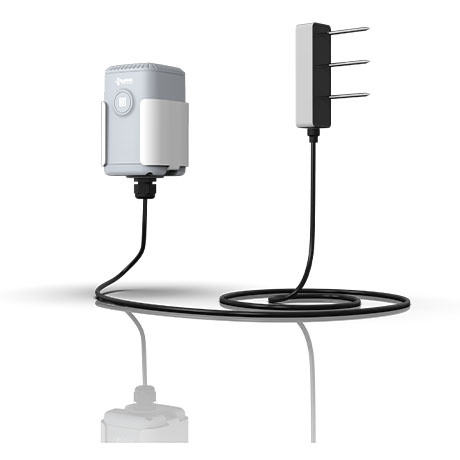
By integrating water quality sensors, LoRaWAN nodes, gateways, and monitoring platforms, operators can remotely monitor wastewater conditions, detect abnormal events earlier, reduce maintenance costs, and improve environmental compliance.
Why Sewage and Pipeline Monitoring Is Important
Wastewater systems operate continuously and often cover large geographic areas. Without effective monitoring, problems may go undetected until they become costly failures.
Key Monitoring Objectives
Detect pollution incidents quickly
Prevent environmental contamination
Improve wastewater treatment efficiency
Reduce manual inspection frequency
Monitor pipeline health
Ensure regulatory compliance
Support predictive maintenance
Improve operational efficiency
Continuous monitoring provides valuable insights that help operators make faster and more informed decisions.
Common Challenges in Sewage and Pipeline Monitoring
Many wastewater projects face operational and technical challenges.
Underground and Remote Locations
Monitoring points are often located:
Underground
Along long pipeline routes
Inside pumping stations
In remote industrial facilities
These locations can be difficult to access regularly, making traditional inspection methods inefficient.
High Inspection Costs
Manual inspections require:
Field personnel
Transportation
Sampling equipment
Laboratory testing
This increases operational costs significantly, especially for large wastewater networks.
Delayed Detection of Water Quality Changes
Traditional monitoring methods may miss:
Chemical spills
Illegal discharges
Industrial contamination
Sudden pH changes
Delayed detection can result in environmental damage, operational problems, and regulatory penalties.
Limited Power Availability
Many monitoring locations lack:
Grid power
Communication infrastructure
Nearby control rooms
This creates challenges for continuous wastewater monitoring systems.
Difficult Data Integration
Many operators need monitoring data integrated into:
SCADA systems
Municipal management platforms
Environmental databases
Industrial control systems
Without a standardized monitoring architecture, data integration can become complex.
What Is a Sewage and Pipeline Monitoring System?
A sewage and pipeline monitoring system is a remote monitoring solution designed to continuously collect and transmit water quality data from wastewater networks and sewer infrastructure.
A complete monitoring system typically consists of multiple layers:
System Layer
Function
Water Quality Sensor
Measures wastewater parameters
LoRaWAN Node
Collects and transmits sensor data
LoRaWAN Gateway
Receives and forwards data
Cloud Platform
Displays and manages monitoring information
This architecture allows operators to monitor wastewater conditions remotely without extensive wiring and complicated infrastructure installation.
Key Water Quality Parameters for Wastewater Monitoring
Different wastewater monitoring projects require different parameters depending on environmental regulations, operational requirements, and treatment objectives.
Parameter
Purpose
pH
Measures acidity and alkalinity
Dissolved Oxygen (DO)
Evaluates biological conditions
Conductivity (EC)
Indicates dissolved substances
Turbidity
Measures suspended solids
Temperature
Influences biological activity
Ammonia Nitrogen (NH₃-N)
Indicates nutrient pollution
COD
Measures organic pollution
Water Level
Detects overflow conditions
Why Monitor pH in Sewage Systems?
pH monitoring is one of the most important measurements in wastewater management.
It helps identify:
Industrial discharge events
Chemical contamination
Treatment process issues
Corrosion risks
Typical pH Ranges
Condition
pH Range
Neutral Water
7
Domestic Wastewater
6.5 – 8.5
Industrial Wastewater
Varies by process
Abnormal pH levels often indicate operational problems that require immediate investigation.
Why COD Monitoring Matters
Chemical Oxygen Demand (COD) is one of the most important wastewater quality indicators.
The sensors continuously measure selected wastewater parameters.
Step 2: Data Acquisition
The LoRaWAN node collects sensor data through RS485 communication.
The node can be configured according to:
Sampling interval
Power requirements
Installation conditions
Step 3: Wireless Transmission
The LoRaWAN node transmits monitoring data wirelessly to the LoRaWAN gateway.
Main benefits include:
Reduced cabling requirements
Simplified installation
Flexible deployment
Step 4: Data Upload
The gateway uploads monitoring information to:
Cloud platforms
Customer servers
SCADA systems
Third-party applications
Step 5: Remote Monitoring
Users can access:
Real-time measurements
Historical records
Device status
Alarm notifications
through PC dashboards and mobile applications.
Advantages of LoRaWAN for Pipeline Monitoring
LoRaWAN technology provides significant advantages for wastewater monitoring projects.
Long-Range Communication
LoRaWAN supports communication across large service areas, making it suitable for:
City-wide sewer networks
Remote pipeline monitoring
Distributed wastewater facilities
Reduced Wiring Costs
Traditional monitoring systems often require extensive communication cabling.
LoRaWAN minimizes:
Cable installation
Trenching work
Maintenance complexity
This helps reduce overall project deployment costs.
Low Power Consumption
Available power options include:
Power Option
Application
Battery-Powered Operation
Low-power monitoring sites
Solar-Powered Operation
Long-term outdoor deployment
External Power Supply
Fixed monitoring locations
These options enable monitoring in locations without reliable grid power.
Flexible Expansion
Monitoring networks can expand from several locations to hundreds of monitoring points.
Additional LoRaWAN nodes can be deployed without major infrastructure modifications.
Platform Integration
Monitoring data can be integrated through:
RESTful API
MQTT
Cloud platforms
Customer management systems
This supports smart city projects and industrial IoT applications.
Typical Application Scenarios
Municipal Sewage Networks
Remote monitoring helps municipalities manage wastewater collection systems more efficiently.
Key benefits include:
Reduced manual inspections
Improved operational visibility
Faster incident detection
Industrial Wastewater Monitoring
Industrial facilities can monitor:
Effluent quality
Compliance requirements
Process performance
Continuous monitoring helps reduce environmental risks and improve wastewater management.
Pipeline Monitoring
Pipeline operators can detect:
Water quality changes
Abnormal discharge events
Overflow risks
before they develop into serious operational issues.
Pumping Stations
Monitoring systems help operators manage:
Flow conditions
Water quality trends
Equipment performance
more effectively.
Cost Comparison: Traditional vs IoT Monitoring
Cost Factor
Traditional System
LoRaWAN Monitoring Solution
Wiring Requirements
High
Low
Installation Complexity
High
Low
Maintenance Visits
Frequent
Reduced
Scalability
Limited
Excellent
Remote Access
Limited
Full
Expansion Cost
High
Lower
The reduced wiring requirement is often one of the biggest cost-saving advantages of IoT-based wastewater monitoring projects.
Future Trends in Wastewater Monitoring
The wastewater industry is moving toward smarter infrastructure management.
Smart Sewer Networks
Connected monitoring systems provide city-wide visibility into wastewater conditions.
Predictive Maintenance
Historical monitoring data helps identify potential risks before failures occur.
AI-Assisted Analytics
Artificial intelligence supports:
Automatic anomaly detection
Event prediction
Data-driven decision-making
Integrated Environmental Platforms
Future monitoring platforms will combine:
Water quality data
Weather information
Flow information
Infrastructure status
into unified management dashboards.
How to Choose the Right Sewage Monitoring Solution
Before selecting a wastewater monitoring system, organizations should evaluate:
Consideration
Questions to Ask
Monitoring Location
Sewer, pipeline, pump station, or treatment plant?
Required Parameters
pH, COD, NH₃-N, turbidity, or multiple parameters?
Power Availability
Solar, battery, or grid power?
Communication Method
LoRaWAN, cellular, or hybrid?
Number of Monitoring Points
Single site or multi-site deployment?
Integration Needs
Cloud platform or existing system integration?
A properly designed solution should balance:
Monitoring performance
Scalability
Deployment cost
Long-term maintenance requirements
Conclusion
Sewage and pipeline monitoring has become an essential part of modern wastewater management. Traditional inspection methods alone cannot provide the continuous visibility required for today's environmental and operational challenges.
A LoRaWAN-Based Sewage and Pipeline Monitoring System combines water quality sensors, wireless communication, gateways, and cloud platforms into a scalable and cost-effective monitoring solution.
By enabling remote data collection, reducing wiring costs, supporting low-power operation, and providing real-time visibility into wastewater conditions, these systems help municipalities, utilities, industrial facilities, and environmental agencies build smarter and more efficient wastewater monitoring networks.
As environmental regulations continue to tighten and infrastructure becomes increasingly data-driven, remote sewage and pipeline monitoring will play a critical role in protecting public health, ensuring compliance, and supporting sustainable water management.