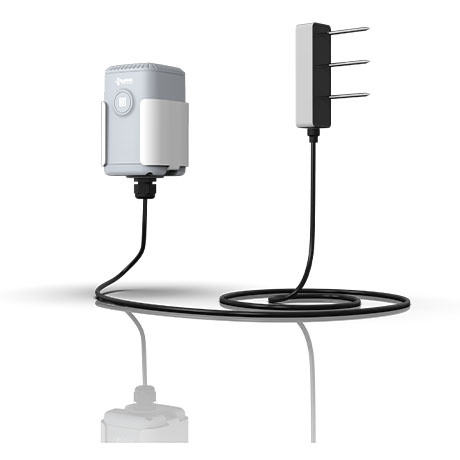
Remote environmental monitoring has become an essential part of modern environmental protection, water resource management, and ecological research. From rivers and lakes to reservoirs, wetlands, and remote conservation areas, organizations require reliable environmental data to understand changing conditions and respond quickly to potential risks.
However, many environmental monitoring locations are located far away from cities and infrastructure networks. These sites often face challenges such as limited power supply, unstable communication networks, difficult maintenance access, and high deployment costs.
Traditional monitoring methods based on manual sampling cannot provide continuous data and may delay the detection of environmental changes.
To overcome these challenges, IoT-based remote environmental monitoring systems are increasingly being adopted. By integrating sensors, wireless communication technologies, gateways, and cloud platforms, organizations can collect environmental data remotely and build scalable monitoring networks.
Among different wireless technologies, LoRaWAN-based monitoring solutions have become an ideal choice for remote environmental monitoring sites due to their long-range communication capability, low power consumption, and flexible deployment.
What Is a Remote Environmental Monitoring Site?
A remote environmental monitoring site is an automated monitoring station designed to collect and transmit environmental information from locations where traditional infrastructure is limited.
A complete monitoring site usually includes:
System Layer
Function
Example Equipment
Sensing Layer
Collect environmental parameters
Water quality sensors, temperature sensors
Communication Layer
Wireless data transmission
LoRaWAN Node
Network Layer
Data receiving and forwarding
LoRaWAN Gateway
Management Layer
Data visualization and analysis
Cloud Platform, Dashboard, APP
Unlike traditional monitoring stations that require complex wiring, remote monitoring sites can operate independently through wireless communication and flexible power configurations.
Why Remote Environmental Monitoring Projects Are Challenging
Limited Power Supply
Many monitoring sites are located in:
Remote rivers
Mountain areas
Wetlands
Reservoirs
Protected environmental zones
Installing grid power can be expensive and impractical.
Therefore, monitoring systems need:
Low-power devices
Solar power options
Battery-powered operation
Difficult Communication Conditions
Remote locations may lack:
Ethernet networks
Stable Wi-Fi
Wired communication infrastructure
A wireless communication technology with long transmission range is required.
High Maintenance Requirements
Frequent manual inspections increase:
Labor costs
Transportation costs
Project maintenance complexity
Remote monitoring helps reduce unnecessary site visits by providing continuous data access.
To support remote environmental monitoring projects, BGT Hydromet provides an integrated LoRaWAN-based water quality monitoring solution that combines sensing, wireless communication, data transmission, and platform management into one complete system.
The solution is designed for customers who need reliable monitoring in locations where traditional wiring and infrastructure are difficult to implement.
The complete solution includes:
Component
Function
Water Quality Sensor
Measures environmental water parameters
LoRaWAN Node
Collects sensor data and transmits wirelessly
LoRaWAN Gateway
Receives data and connects to the internet
Data Platform
Provides remote monitoring and data management
This integrated architecture helps customers avoid complicated system integration between different suppliers and provides a practical solution for real-world deployment.
How BGT LoRaWAN Environmental Monitoring Solution Works
The monitoring process follows a simple workflow:
1. Data Collection
The water quality sensor is installed in the target monitoring area.
Depending on project requirements, sensors can monitor:
pH
Dissolved Oxygen (DO)
Electrical Conductivity (EC)
Turbidity
Temperature
Ammonia Nitrogen
COD
Other customized parameters
2. Wireless Data Transmission
The sensor connects with the LoRaWAN node through RS485 communication.
The node collects measurement data and sends it wirelessly to the gateway.
3. Gateway Communication
The LoRaWAN gateway receives data from monitoring nodes and uploads information to the selected platform.
Gateway options include:
Indoor LoRaWAN Gateway
Outdoor LoRaWAN Gateway
4. Remote Data Management
Users can view monitoring information through:
PC Dashboard
Mobile APP
Large-screen monitoring platform
Available functions include:
Real-time monitoring
Historical data records
Device status
Alarm notifications
Flexible Configuration for Different Environmental Monitoring Projects
Every monitoring project has different requirements. BGT Hydromet provides flexible configuration options based on site conditions.
Sensor Options
Monitoring Requirement
Available Sensors
Basic Water Quality
pH, Temperature
Aquatic Environment
DO, pH, Temperature
Pollution Monitoring
COD, Turbidity, Ammonia Nitrogen
Comprehensive Monitoring
Multi-parameter Sensors
Power Supply Options
Power Type
Recommended Application
Battery Powered
Small-scale monitoring points
Solar Powered
Long-term outdoor deployment
External Power
Fixed monitoring stations
LoRaWAN Frequency Options
BGT systems support different regional requirements:
Frequency Band
Region
EU868
Europe
US915
North America
AS923
Asia
AU915
Australia
Key Advantages of BGT Remote Environmental Monitoring Solution
Reduced Installation Complexity
Traditional monitoring projects often require long-distance cables and complex infrastructure.
BGT's wireless monitoring solution reduces wiring requirements and simplifies installation, especially in remote locations.
Long-Range Wireless Transmission
LoRaWAN technology enables reliable communication over large monitoring areas.
It is suitable for:
Rivers
Lakes
Reservoirs
Remote environmental stations
Low-Power Outdoor Deployment
With solar-powered and battery-powered options, the system can operate in locations without reliable grid power.
Flexible Expansion Capability
Projects can start with a single monitoring point and expand gradually.
Additional monitoring nodes can be added according to future requirements without major infrastructure changes.
Professional Platform Integration
BGT supports different data management requirements, including:
Standard dashboard monitoring
Mobile APP access
API integration
MQTT-based connection
Customer platform integration
Typical Applications of BGT Environmental Monitoring Solution
River and Lake Monitoring
Monitor freshwater resources and detect environmental changes through continuous data collection.
Applications:
Water resource management
Pollution monitoring
Ecological protection
Reservoir Monitoring
Support long-term reservoir management through remote water quality observation.
Aquaculture Monitoring
Monitor critical parameters affecting fish and shrimp farming:
Dissolved oxygen
pH
Temperature
Ammonia nitrogen
Irrigation Water Monitoring
Help agricultural projects improve water management and ensure irrigation quality.
Environmental Protection Projects
Provide reliable monitoring data for:
Government agencies
Research institutions
Environmental organizations
Why Choose BGT Hydromet for Remote Environmental Monitoring Projects?
BGT Hydromet focuses on providing practical IoT-based monitoring solutions for environmental applications.
Our advantages include:
Complete solution from sensor to platform
Flexible sensor selection
LoRaWAN wireless communication expertise
Solar and battery-powered deployment options
Support for customized monitoring projects
Remote data management capability
Professional technical support
Instead of supplying only individual sensors, BGT provides a complete monitoring ecosystem that helps customers build reliable and scalable environmental monitoring networks.
Conclusion
Remote environmental monitoring sites require reliable technologies that can overcome challenges related to distance, power supply, communication, and maintenance.
A LoRaWAN-Based Remote Environmental Monitoring Solution provides an effective way to collect environmental data continuously while reducing installation complexity and operational costs.
Through its integrated solution of water quality sensors, LoRaWAN nodes, gateways, and data platforms, BGT Hydromet helps organizations monitor rivers, lakes, reservoirs, aquaculture areas, and remote environmental locations with greater efficiency and flexibility.
For organizations looking to build a scalable IoT environmental monitoring network, BGT Hydromet provides customized solutions designed for real-world field applications.
Contact BGT Hydromet today to discuss your remote environmental monitoring requirements and receive a customized solution proposal.